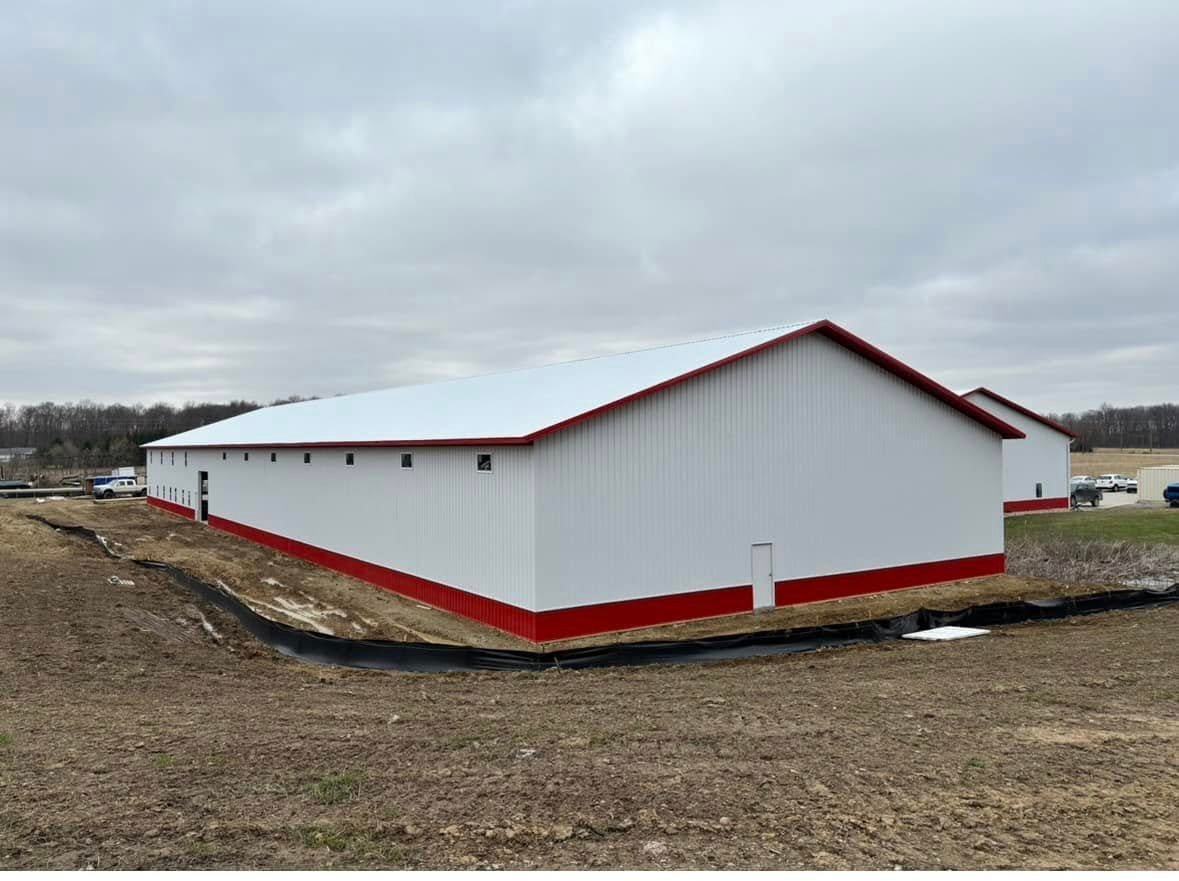
Large post-frame project built for serious working space and long-term use.
Hershberger Construction • Post-Frame Construction
Hershberger Construction builds custom pole barns and post-frame buildings for farms, shops, equipment storage, hobby spaces, garages, and working properties across Indiana and Michigan. Every project starts with the same priorities: a usable layout, solid site planning, straight framing, weather protection, and details that hold up long after the crew leaves.
See the workmanship before you make a decision. Our project gallery includes real pole barn builds photographed during construction and after completion.
Built for the way the property gets used
Good pole barn builders do more than stand posts and install steel. A post-frame building has to work as a complete system. The building location, grade, drainage, post layout, trusses, bracing, openings, roof lines, exterior steel, trim, and future interior use all affect how well the finished structure performs.
Farm buildings need clearance, access, ventilation, durable exterior materials, and enough open interior space to move equipment without fighting the structure. We plan agricultural pole barns around actual day-to-day use rather than a generic shell.
A shop should be laid out for vehicles, tools, lifts, work areas, overhead doors, electrical planning, storage, and future changes. Clear-span post-frame construction gives owners room to build a workspace without unnecessary interior load-bearing walls.
Boats, trailers, campers, vehicles, collections, woodworking equipment, and seasonal storage all demand different door sizes, ceiling heights, and traffic patterns. The layout should be decided before the frame goes up, not after.
The advantage of working with experienced pole barn builders is not simply speed. It is knowing where shortcuts create problems later. A building can look straight from the road and still have poor drainage, bad door clearances, weak detail work, or a layout that wastes thousands of square feet over its life. The goal is a building that makes sense on day one and still makes sense years later.
Real Hershberger Construction projects
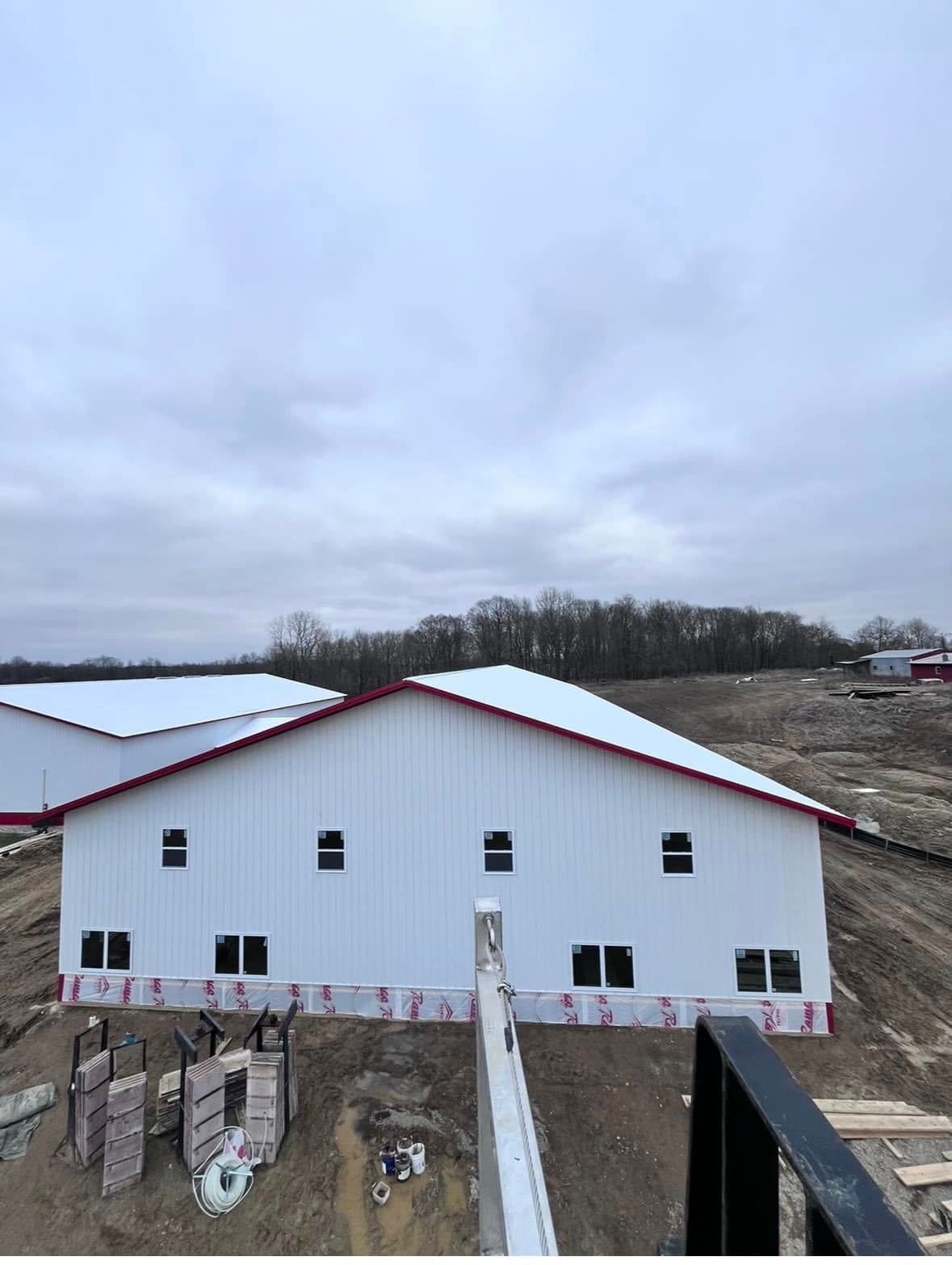
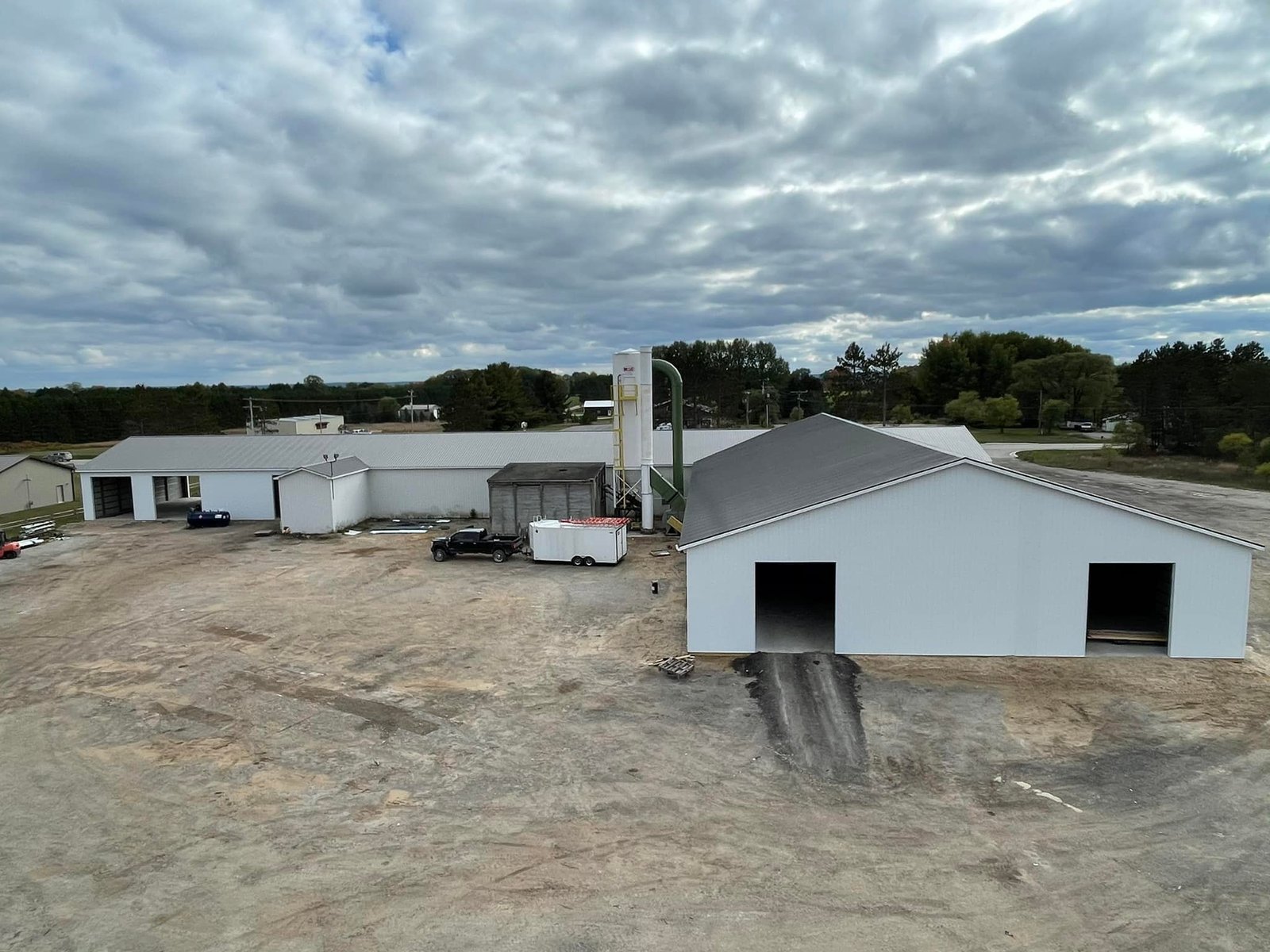
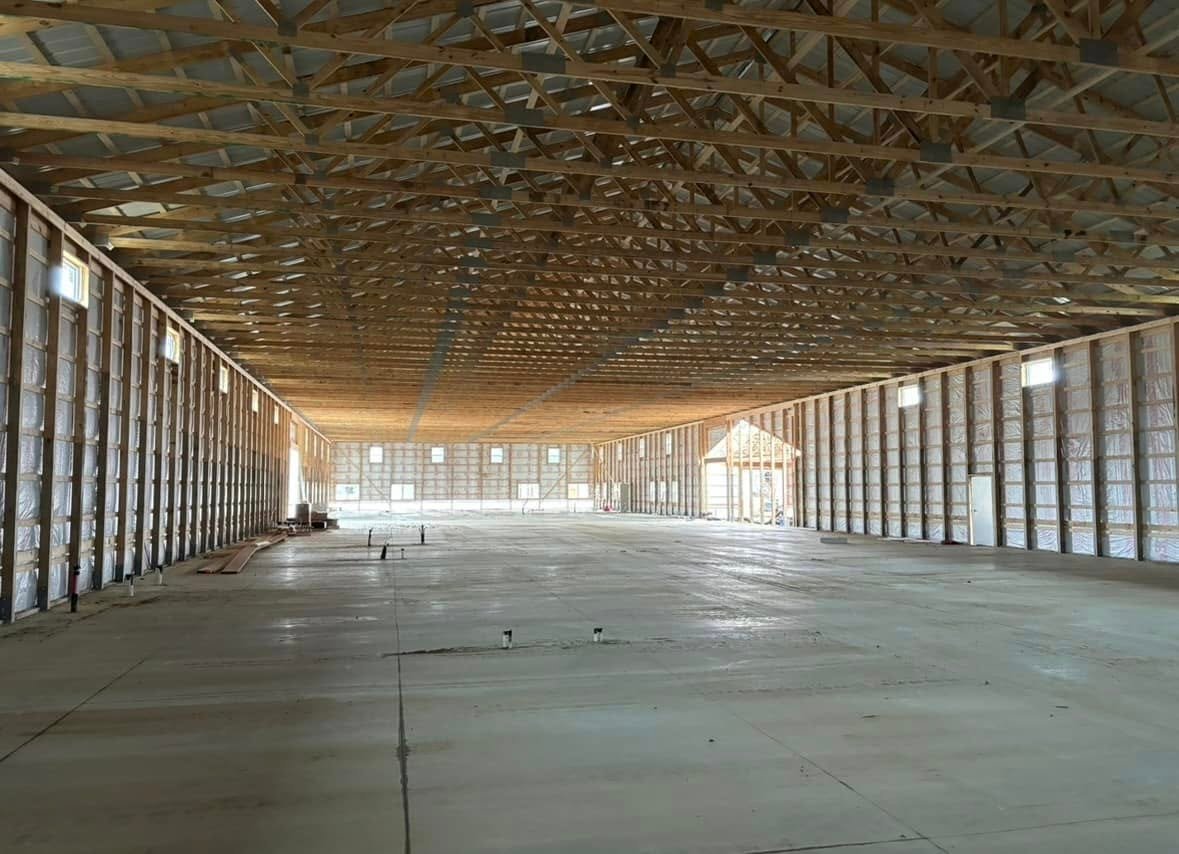
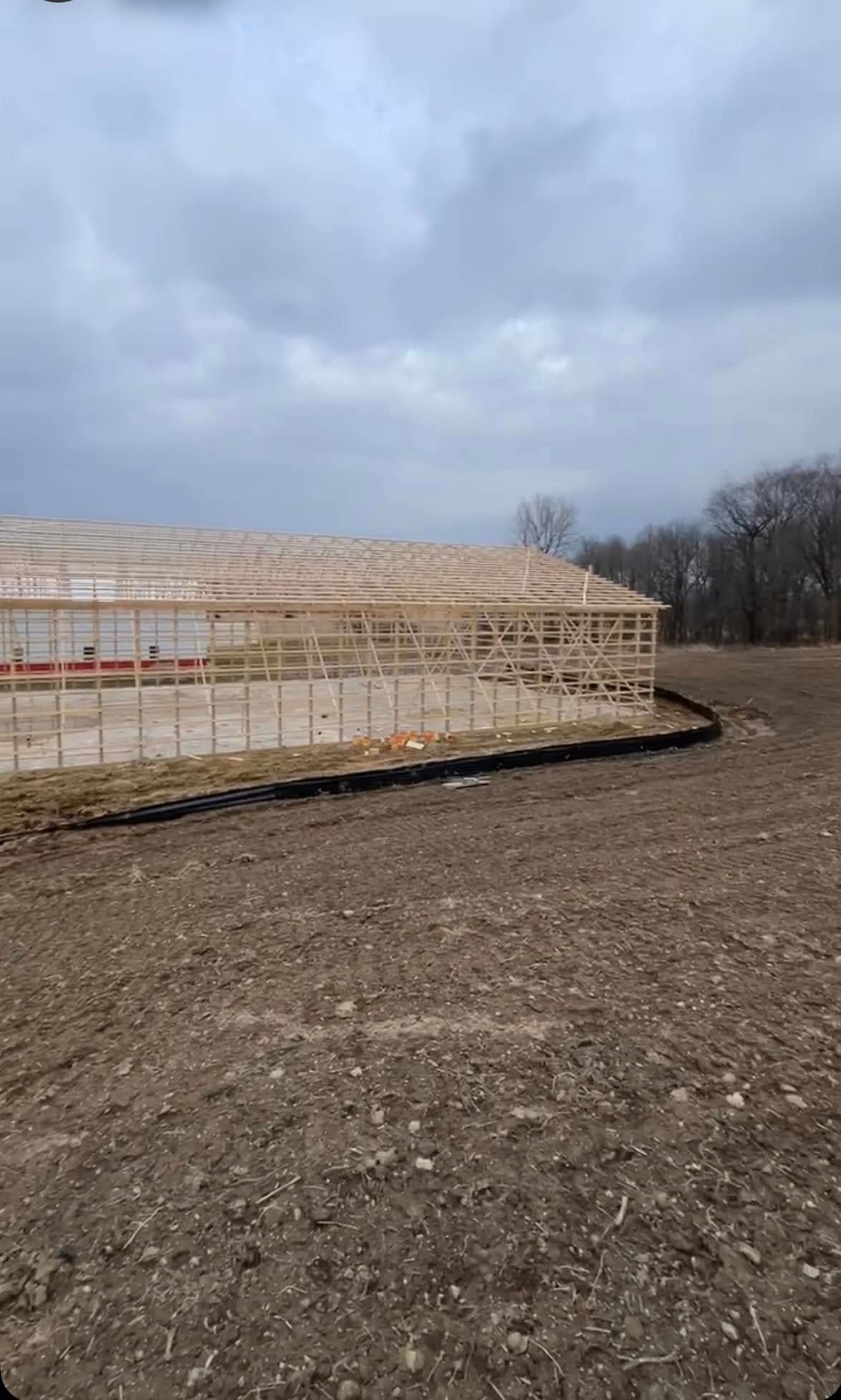
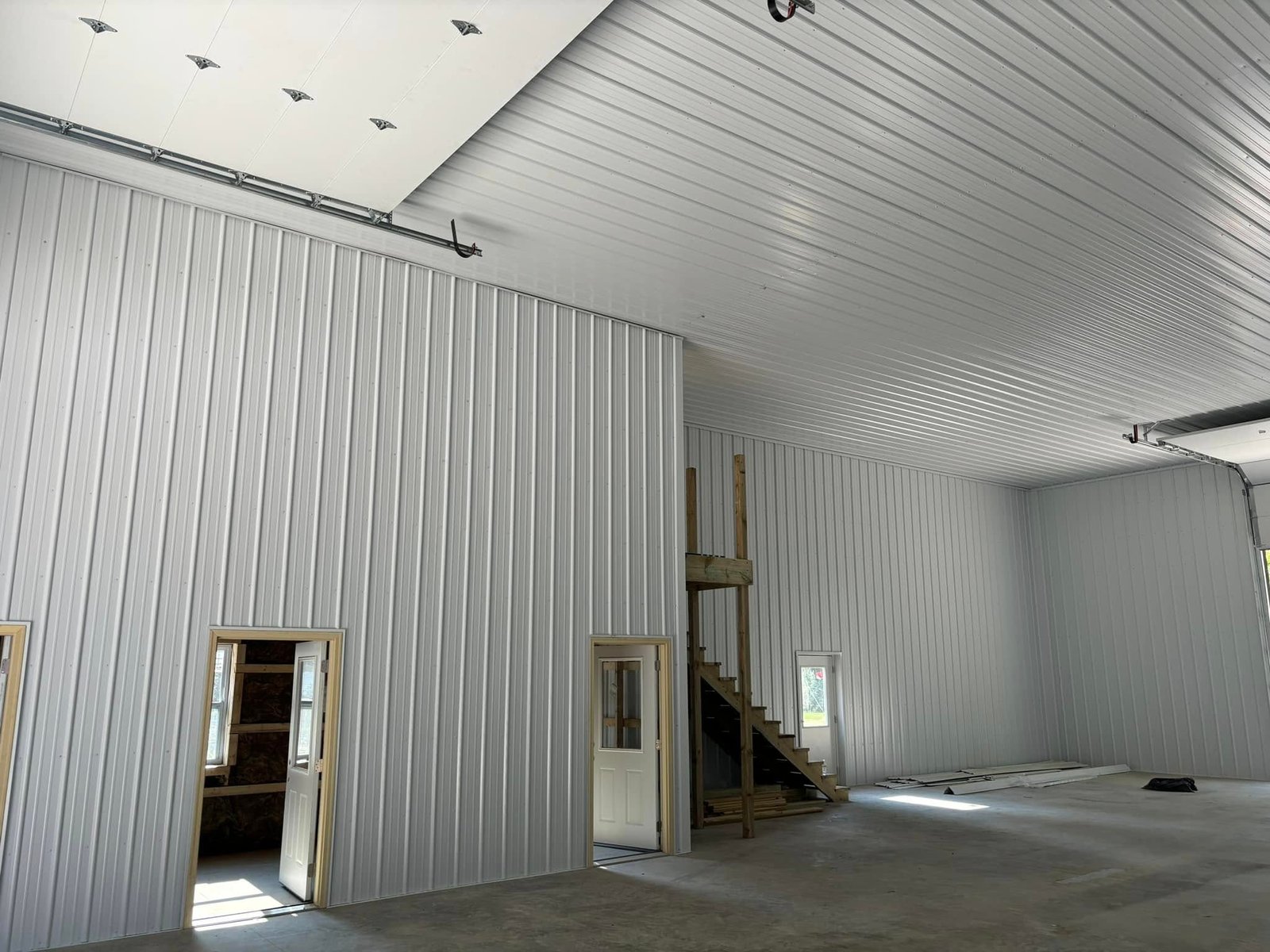
Marketing claims are cheap. Finished work is what matters. These photos show actual post-frame projects completed by Hershberger Construction, including large agricultural structures, finished pole buildings, framing progress, and interior work.
The build sequence matters
Post-frame construction can move efficiently because the structural system is straightforward, but efficient does not mean careless. Each stage controls the next. Problems created during layout or site preparation become harder and more expensive to fix after framing begins.
We start with what the building has to do. Equipment dimensions, vehicle access, door placement, interior clearance, work areas, storage needs, future concrete, and possible expansion should influence the footprint before construction begins.
Building elevation and drainage are not cosmetic decisions. The site needs to move water away from the structure, provide usable approaches, and create a stable base around entrances and future slab edges.
Accurate post placement creates the geometry for the entire building. From there, girts, purlins, trusses, bracing, and connection points need consistent spacing and fastening so the frame stays straight and works as one structural system.
Exterior steel is only part of the weather envelope. Door framing, flashing, closures, edges, trim, penetrations, and transitions determine whether the building stays dry and looks finished instead of becoming a maintenance problem.
Quality lives in the details
The visible steel gets attention, but the less-visible decisions usually determine whether a pole barn stays solid, dry, functional, and easy to maintain. That is where a disciplined builder separates from a cheap build.
Clean roof lines, walls, doors, and steel installation all start with accurate layout. Square corners and consistent framing reduce headaches through the rest of the project.
Overhead doors, sliding doors, entry doors, and future interior rooms need enough width and height for the way the building will actually be used. Guessing here creates permanent compromises.
Roofing, siding, trim, flashing, closures, and transitions should work together. Keeping bulk water out of the structure is one of the most important parts of long-term durability.
One structural system, many uses
Pole barns are popular because the same post-frame concept can be adapted to very different properties. The right design depends on what needs to fit inside, how often the building is used, what has to move through the doors, and how finished the interior needs to become.
Wide doors, high clearances, equipment movement, hay or material storage, livestock needs, and practical access make agricultural layouts different from residential storage buildings.
Shops often need overhead doors, work bays, vehicle clearance, finished interiors, insulation planning, and enough clear span to rearrange equipment as the operation grows.
Post-frame garages can create large vehicle and storage areas without making the building overly complicated. Proper door layout and traffic flow are critical when trailers, campers, boats, or multiple vehicles are involved.
Stall layouts, aisles, ventilation, feed storage, access, and animal movement all change the way a barn should be designed. Function comes first.
Woodworking, automotive work, collections, recreation, and mixed-use hobby spaces benefit from open interiors and a structure that can be finished in stages.
Post-frame construction can also support mixed shop-and-living concepts when the shell, openings, interior layout, utilities, insulation, and local requirements are planned together from the beginning.
Choose the correct service-area branch
Hershberger Construction serves properties in both Indiana and Michigan. Instead of mixing every city onto one primary service page, the state pages organize local coverage so property owners and search engines can move from the main pole barn service into the correct geographic branch.
Indiana properties range from agricultural ground and rural acreage to residential lots needing shops, garages, equipment buildings, and custom post-frame space. Our Indiana page focuses on pole barn construction within the state and routes into the Indiana city service areas.
For Indiana project coverage, building considerations, and local service areas, visit our Indiana pole barn construction page.
Southern Michigan properties need the same disciplined approach to layout, access, drainage, structural framing, weather protection, and long-term usability. The Michigan branch keeps those local targets organized separately from Indiana.
For Michigan project coverage and local service areas, continue to our Michigan post-frame building page.
This primary page intentionally does not link directly to individual city pages. State pages handle the next geographic layer.
Supporting pole barn information
A strong pole barn project starts before construction. These guides cover building types, post-frame structure, site preparation, timing, budgeting, hiring decisions, and the planning issues that determine whether a project stays efficient or turns into an expensive correction later.
Price matters, but workmanship, communication, planning, and detail control matter after the estimate is forgotten. Read our guide on choosing the right pole barn builder for your property.
Learn how the structural system differs from conventional framing and why posts, trusses, girts, purlins, bracing, and clear-span layouts work together in our first-time owner guide to post-frame buildings.
Setbacks, zoning, site placement, access, and local approval can change a project before construction starts. Review our LaGrange County pole barn zoning and permitting basics.
Weather, ground conditions, scheduling, material lead times, and site readiness all affect project timing. See our breakdown of the best time of year to start a construction project.
Post-frame construction can create a lot of usable square footage without unnecessary structural complexity. Learn why post-frame construction can be more cost-effective than traditional framing.
Grade, drainage, access, base material, and building elevation can affect the entire project. Use our step-by-step pole barn site preparation checklist before construction begins.
Building style should follow function, but roof lines, lean-tos, porches, door layouts, and exterior finishes can change the final result. Compare the top pole barn styles for Indiana and Michigan farms.
The right system depends on span, intended use, finish expectations, budget, and future flexibility. Read our comparison of pole barns versus stick-built garages.
Large-scale post-frame experience
Hershberger Construction completed a 72 × 246 × 18 pole barn with a connected 38 × 40 × 10 breezeway. A structure at this scale leaves little room for sloppy layout. Long roof lines, wide spans, repeated framing, openings, alignment, and access all have to work together across the full building.
Large projects make workmanship easy to judge because small errors compound over distance. The same discipline used on a large agricultural or operational building also matters on smaller shops, garages, and storage structures: get the layout right, keep the frame straight, control water, and finish the details cleanly.
Start with the building you actually need
Bring the rough dimensions, property location, intended use, door needs, and any ideas you already have. Hershberger Construction can help turn that information into a practical post-frame building plan built around access, long-term use, and clean construction.
Learn more about Hershberger Construction, review completed work in the project gallery, or send project details through the contact page.