Concrete vs Asphalt Flatwork: Which Is Better for Driveways, Patios & Walkways?
The “better” choice depends on what you’re building, what water does on your property, and how long you plan to keep it. Asphalt can win on speed and upfront cost. Concrete can win on shape stability, edge strength, and long-term cleanliness — but only if the base, drainage, joints, and cure discipline are handled correctly.
Main service: Concrete Flatwork. Local service: Concrete Flatwork in South Bend.
The Decision Framework That Stops Regret Later
People pick surfaces based on one thing — price today — then pay for it later through maintenance, edge failure, water problems, or a surface that looks rough after a few seasons. A smart decision uses three inputs: (1) load and traffic, (2) water behavior on the site, and (3) your time horizon.
For a vehicle driveway, shape stability and edges matter because tires and turning forces punish weak transitions. For patios and walkways, traction, winter safety, and how the surface stays clean matters more than “day one” shine. That’s why the base and drainage plan are the real job — the surface is just the visible result.
What decides success (not marketing)
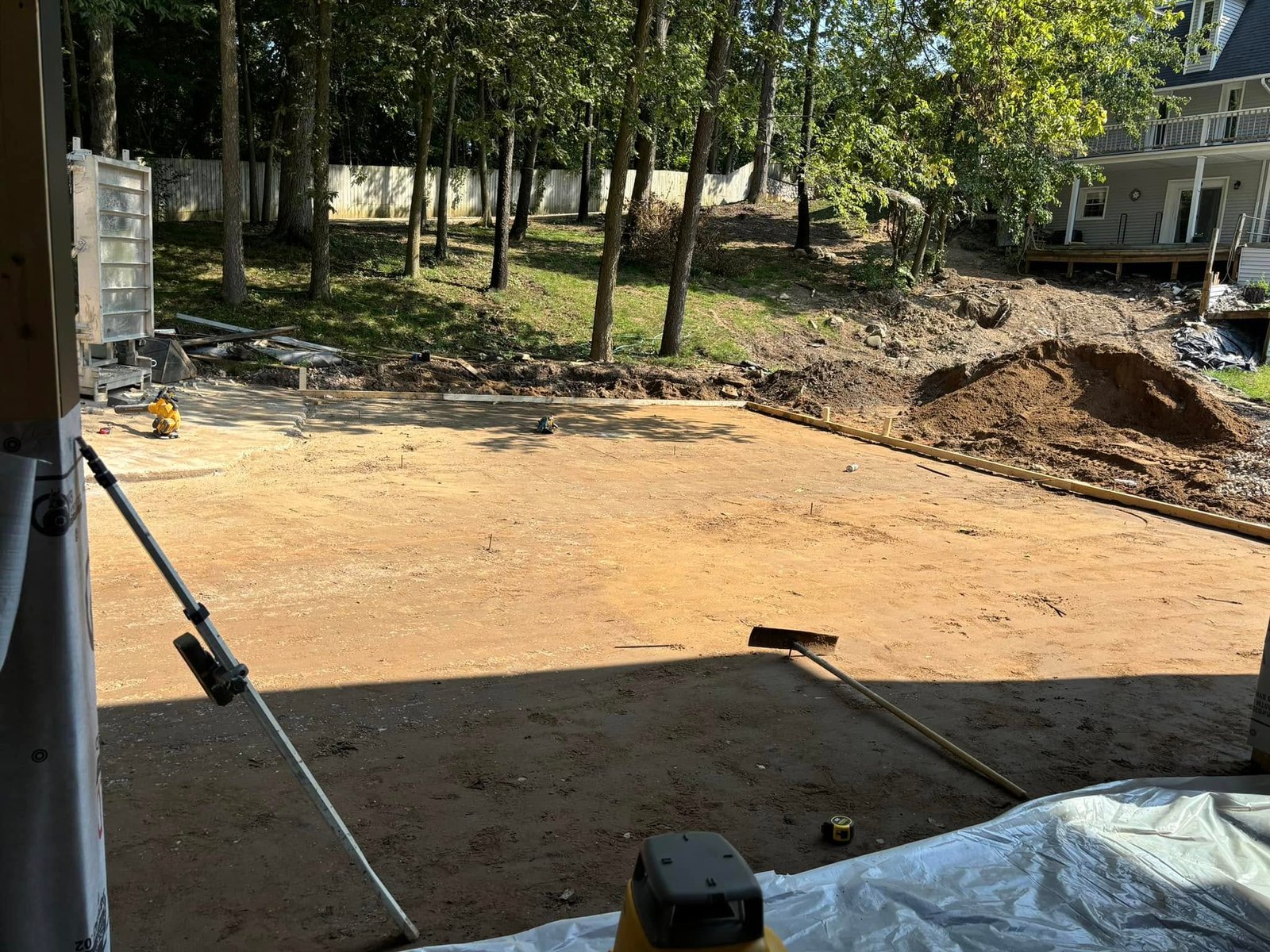
- Base depth + compaction (prevents settling)
- Drainage pitch (prevents pooling and ice)
- Edge strength (prevents crumble and breakoff)
- Joint plan (controls cracking in concrete)
- Cure protection (locks in long-term strength)
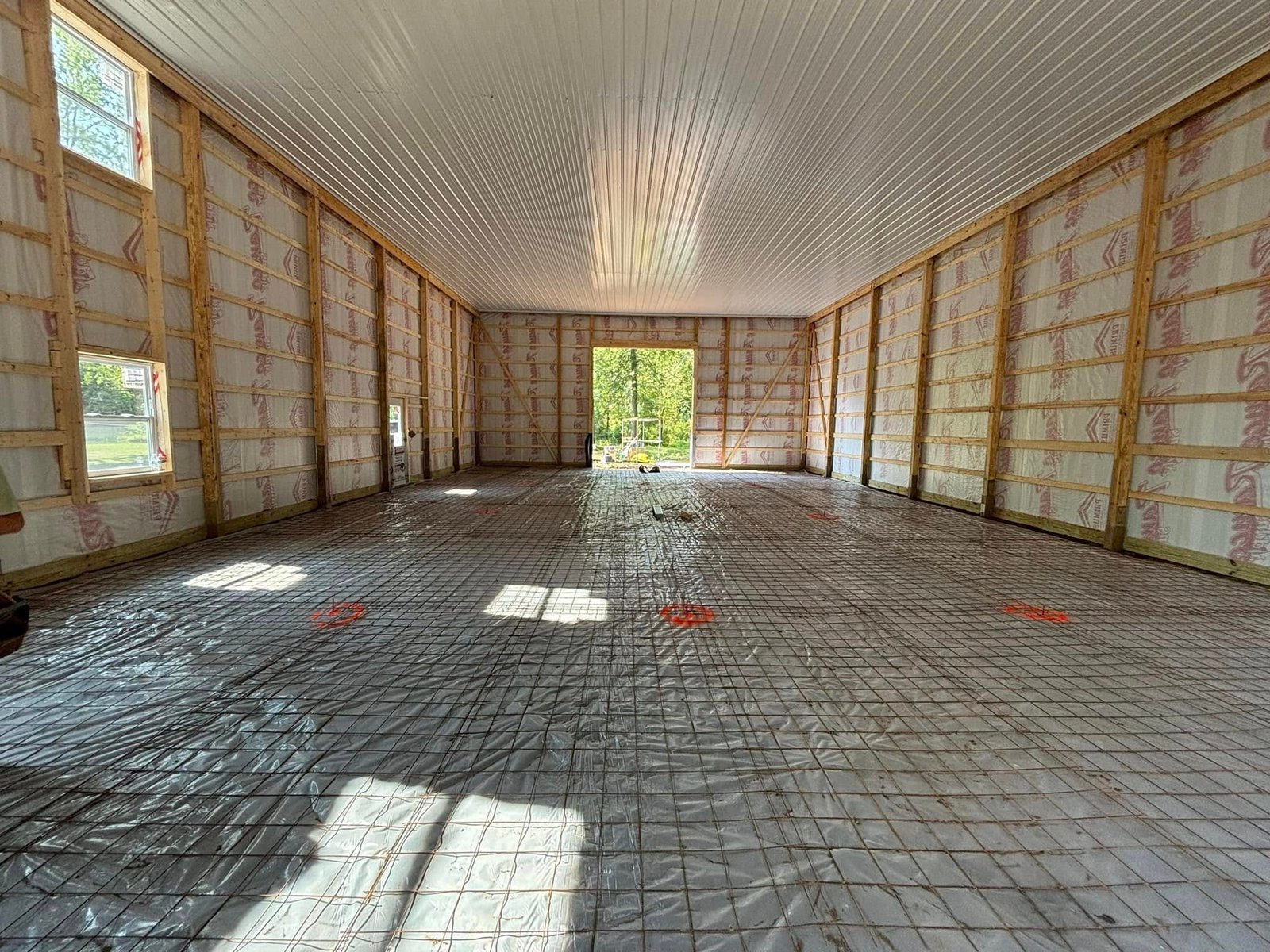
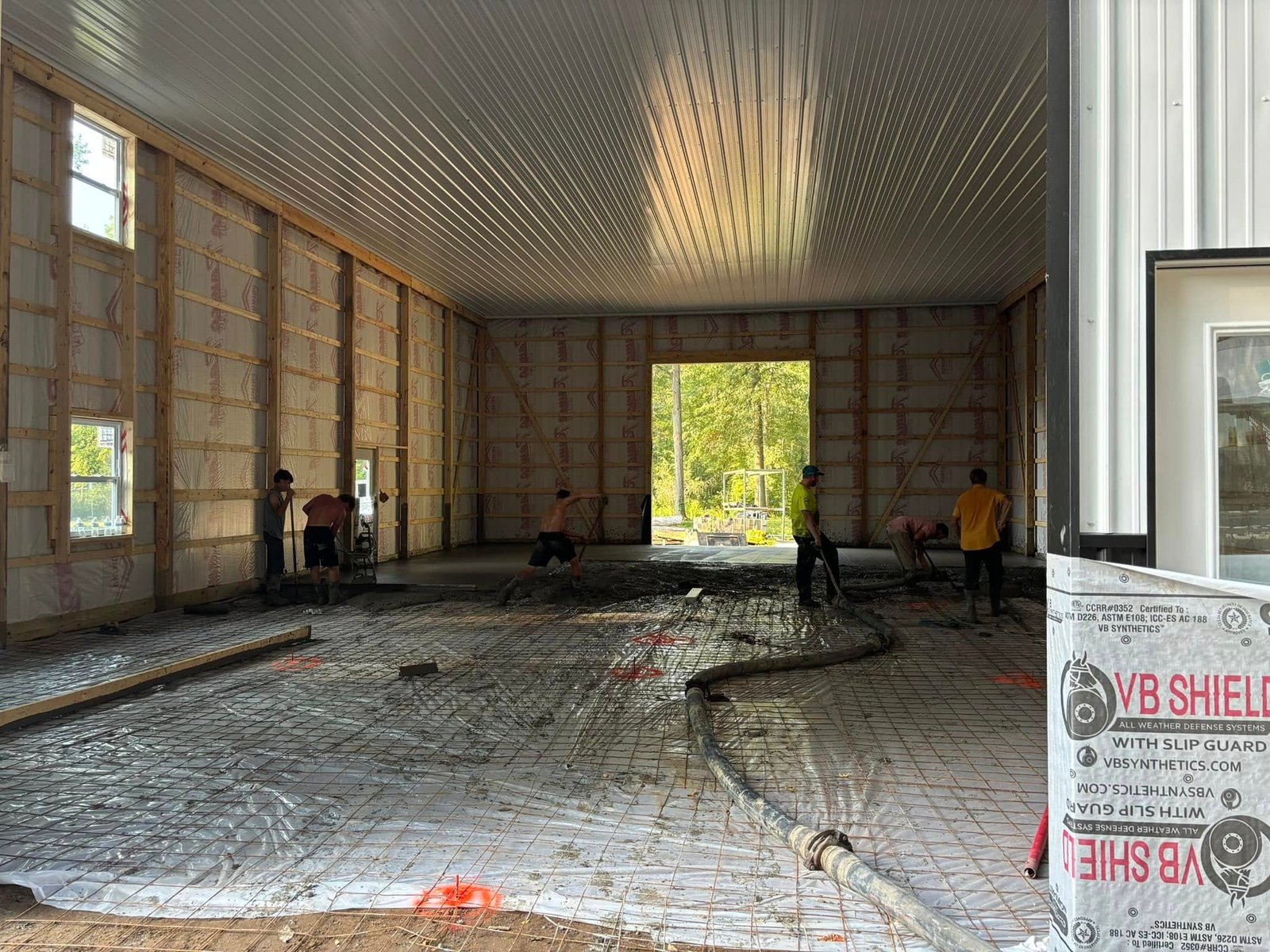
Proof of Process: Prep, Placement, Finish
The reason concrete often wins long-term is simple: when it’s built on a stable base with the right finishing and curing, it keeps its grade and edges. The reason concrete fails is also simple: rushed prep and uncontrolled water.
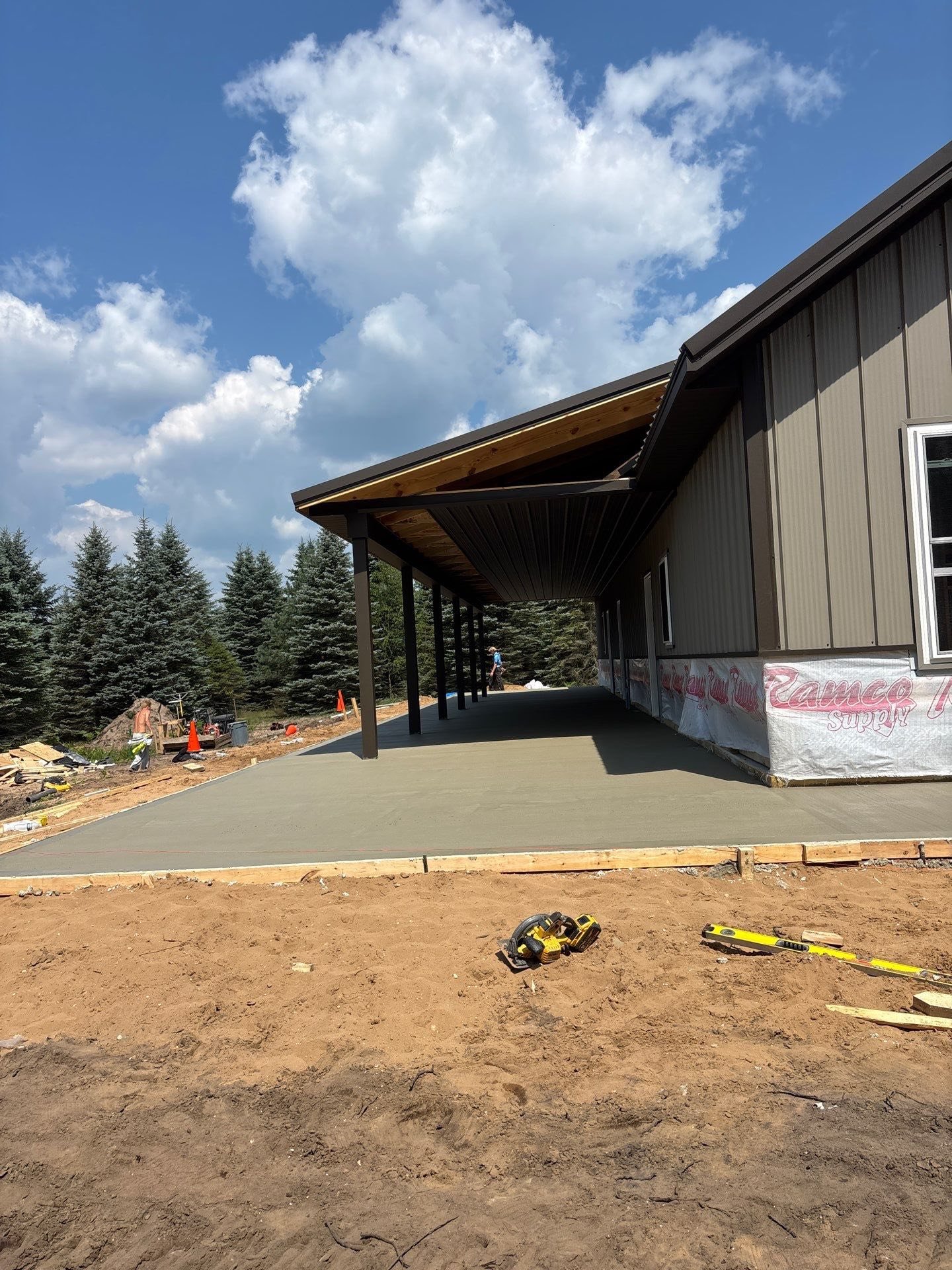
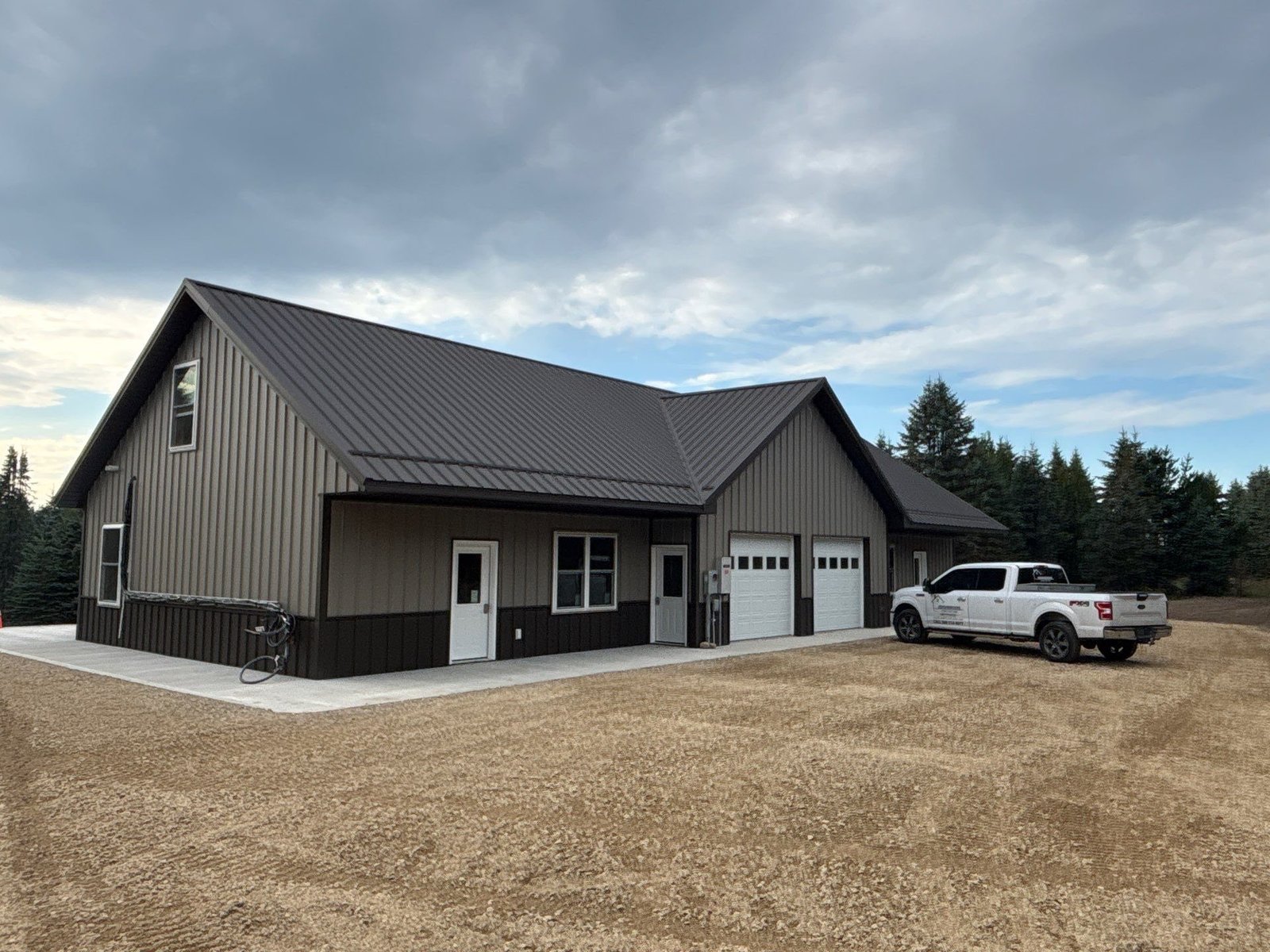
Concrete vs Asphalt: The Tradeoffs That Actually Matter
Both materials can work. The wrong choice happens when the job is judged by “cheap today” instead of “cost over time.” Use these comparisons to make the decision based on your property and how you’ll use the surface.
Driveways: Shape + Edge Strength
Concrete typically holds grade longer and resists edge breakup when the base and drainage are correct. Asphalt can be faster and cheaper upfront, but turning forces and heat can deform it over time.
Patios: Cleanliness + Maintenance
Concrete tends to stay cleaner and can be finished for traction and appearance. Asphalt patios are uncommon because they can feel soft in heat and are less “clean” visually for living spaces.
Walkways: Traction + Winter Safety
Concrete can be broomed or textured for consistent traction. Asphalt can be workable, but edges and transitions need careful planning to avoid breakdown and unevenness.
Upfront Cost vs Long-Term Cost
Asphalt often wins upfront. Concrete often wins when you look at lifespan, shape stability, and reduced resurfacing. The deciding factor is how long you plan to keep it and how hard you’ll use it.
Water Behavior: Pooling and Freeze–Thaw
Water is the enemy of both. Poor drainage and soft base lead to settlement and cracking. A correct pitch and stable sub-base prevents the problems people blame on “bad concrete” or “bad asphalt.”
Best Pick for Most Properties
If you want long-term shape stability and a clean finished look, concrete is usually the better investment — as long as prep, joints, and cure are treated like the real job, not afterthoughts.
Next Step That Keeps Your Project Clean
Start with the main overview on Concrete Flatwork, then if you want local execution and real scope planning, use Concrete Flatwork in South Bend.