Concrete Flatwork in Lagrange, IN
Concrete flatwork is one of those projects where the cheapest bid becomes the most expensive mistake. We install driveways, patios, sidewalks, and shop slabs in Lagrange with the boring fundamentals done right: base prep, drainage planning, reinforcement, control joints, and a finish that matches how you actually use the surface.
Main service page: Concrete Flatwork. Company: About. Contact: Contact.
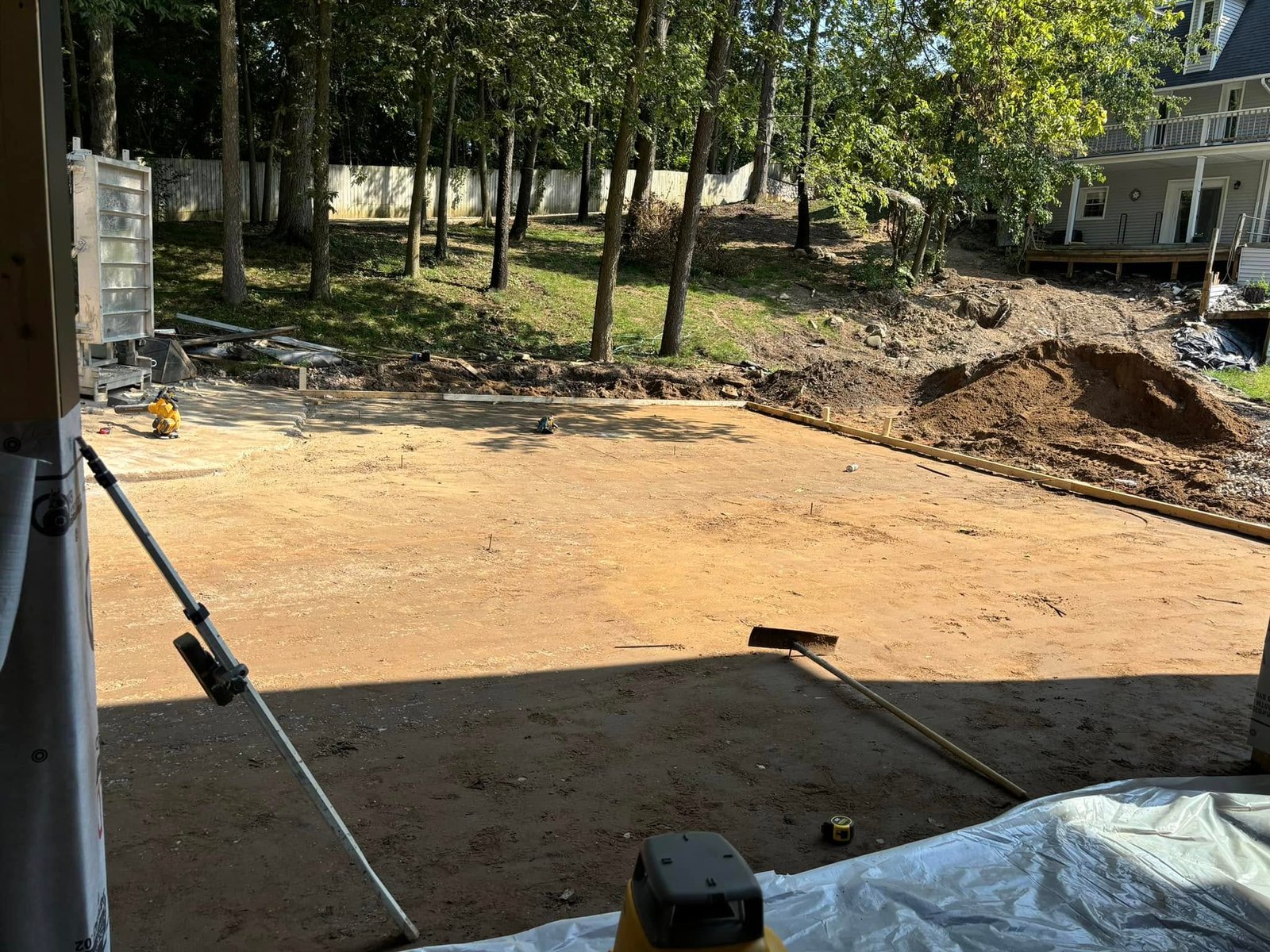
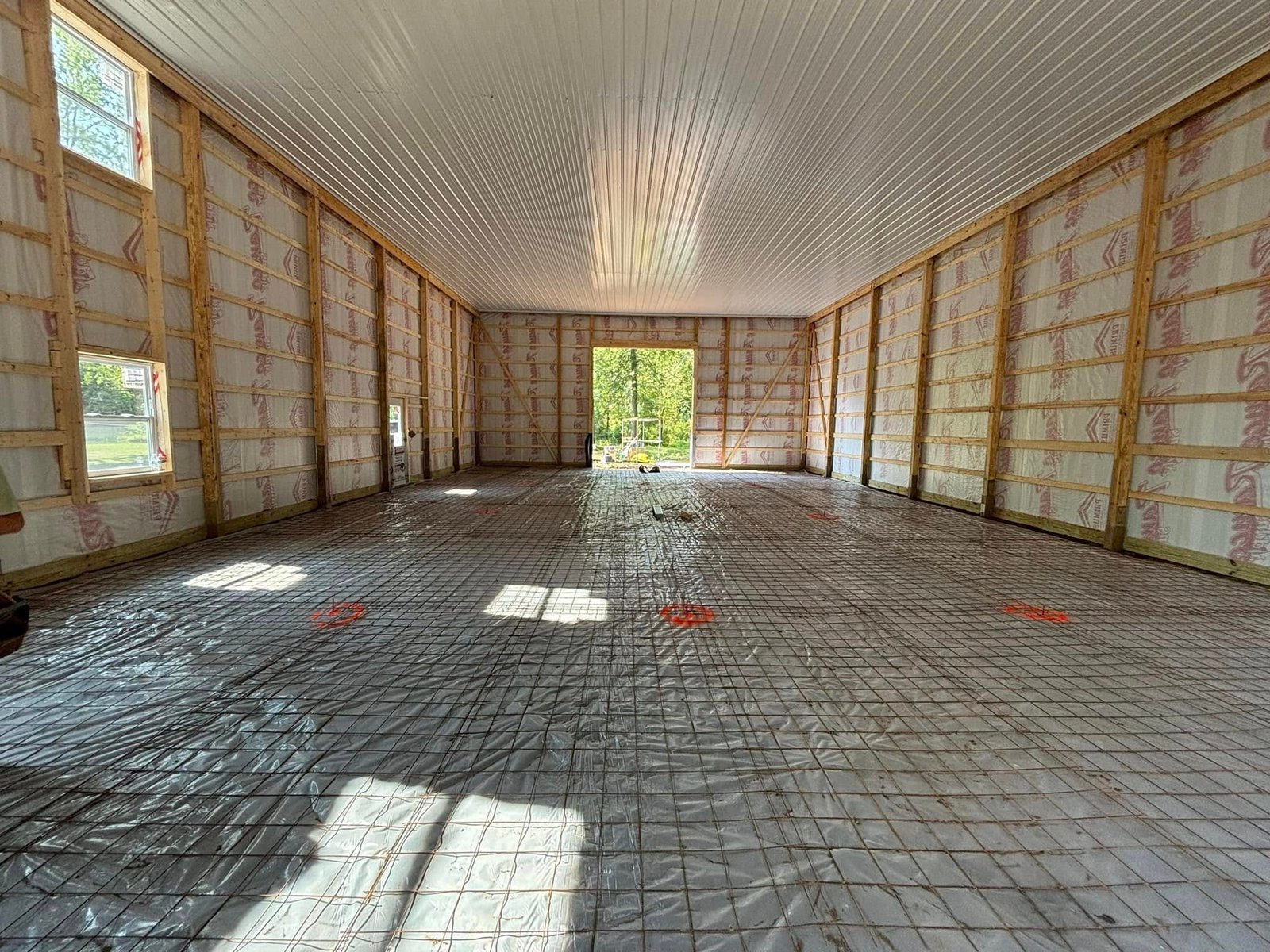
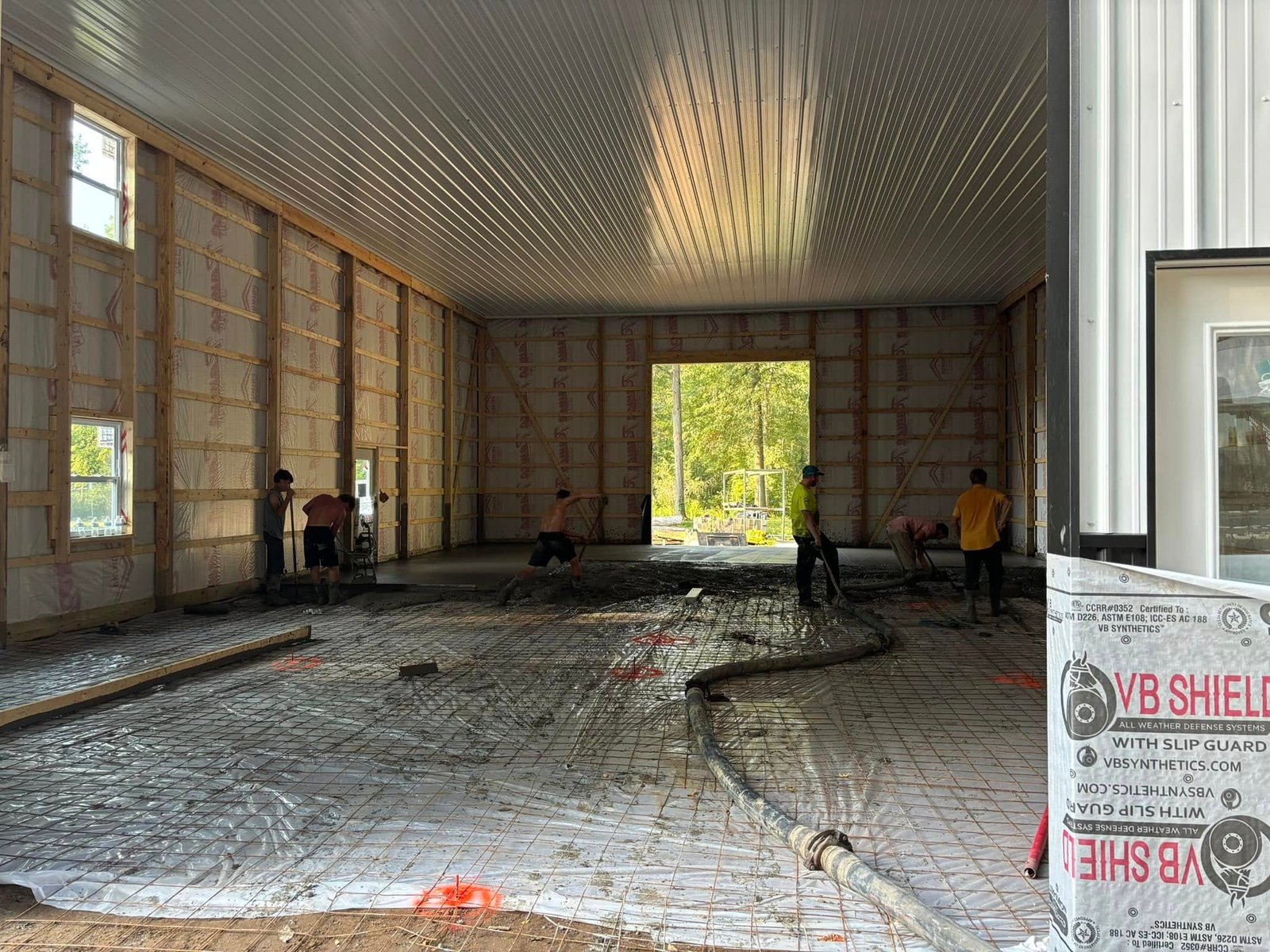
Concrete Flatwork Projects and Pour-Day Work
Proof matters. You should be able to see prep, placement, finishing, and clean final results — not just marketing claims. For another nearby service area example, see our concrete flatwork service in South Bend.
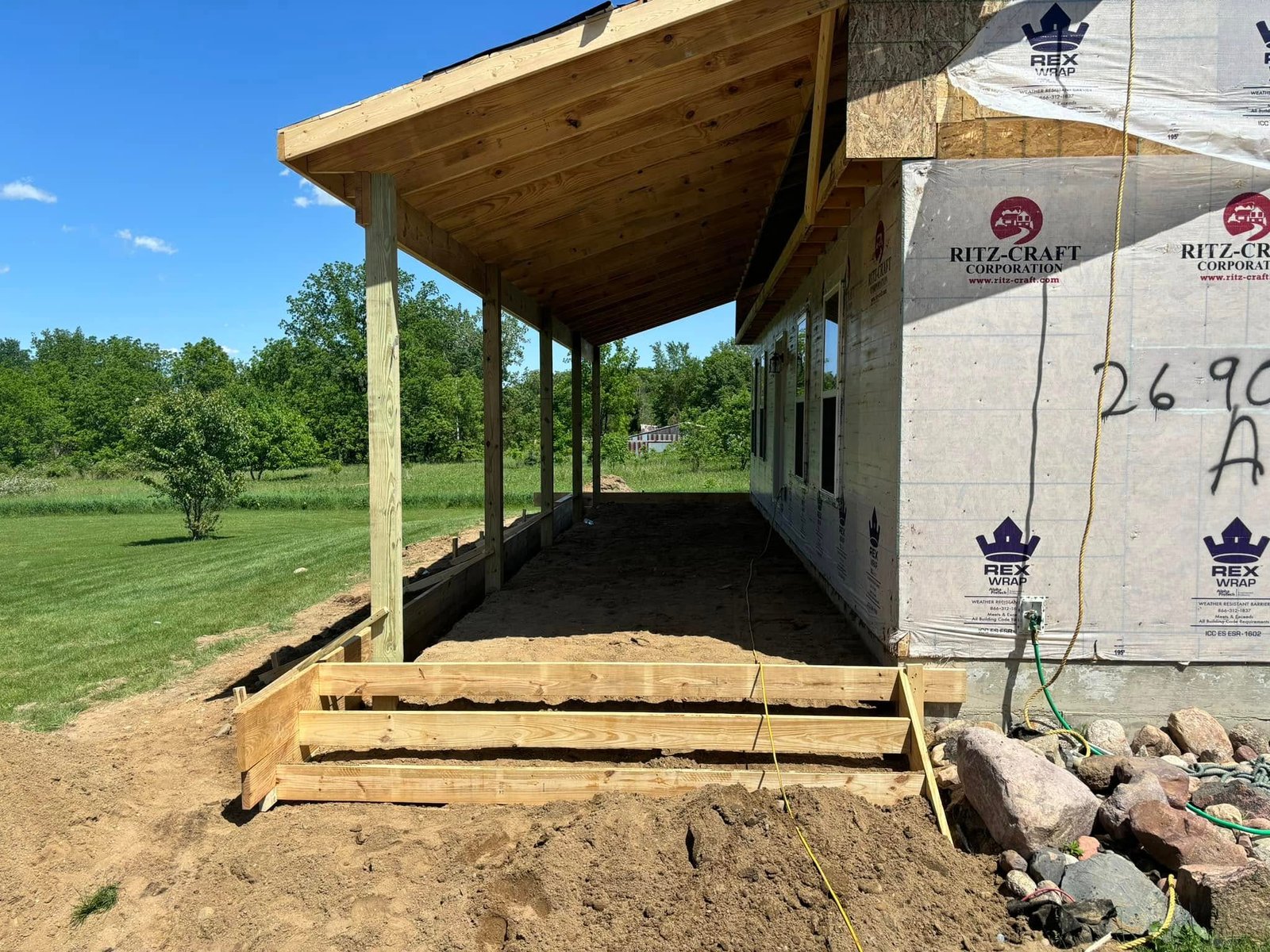
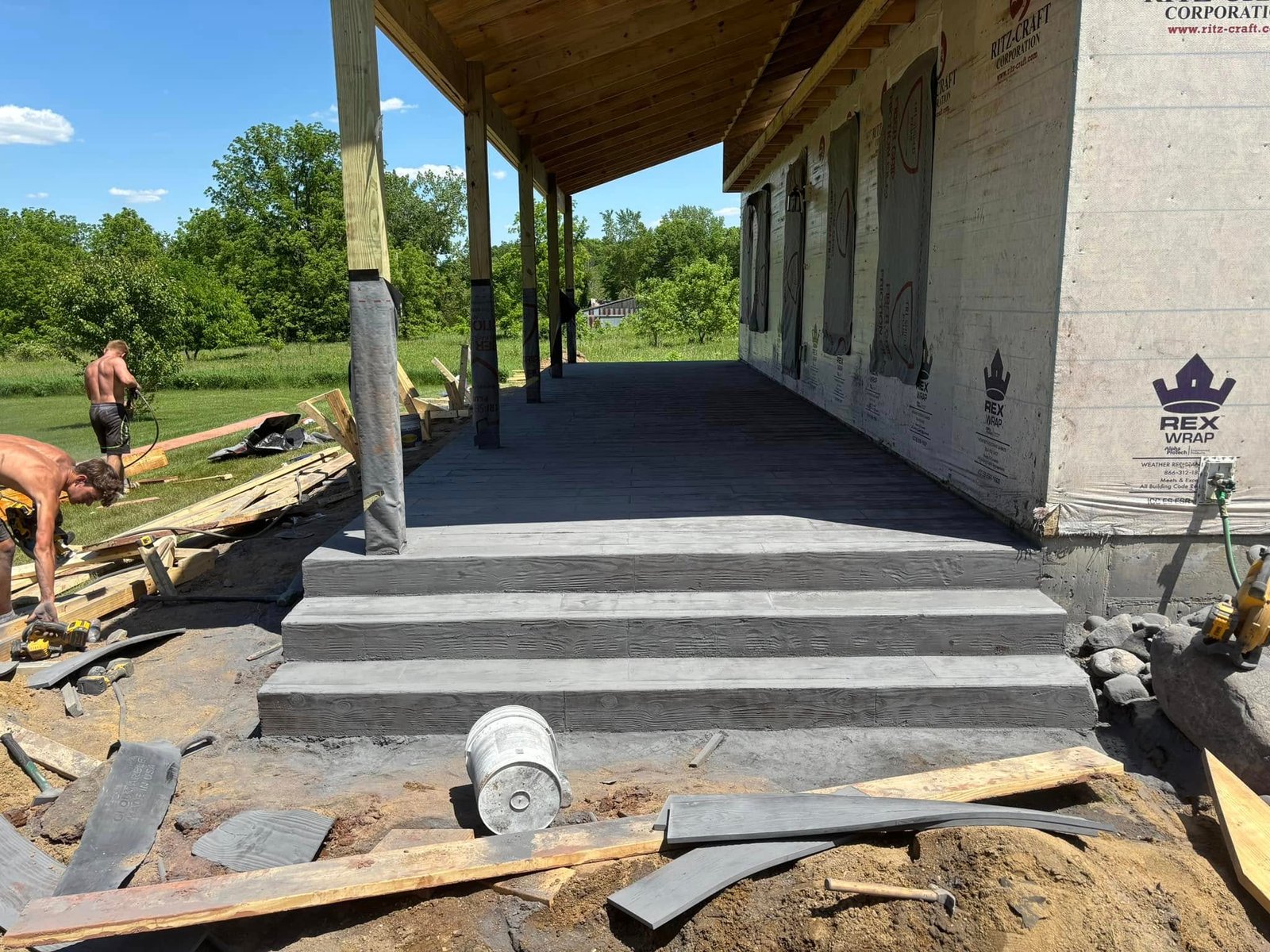
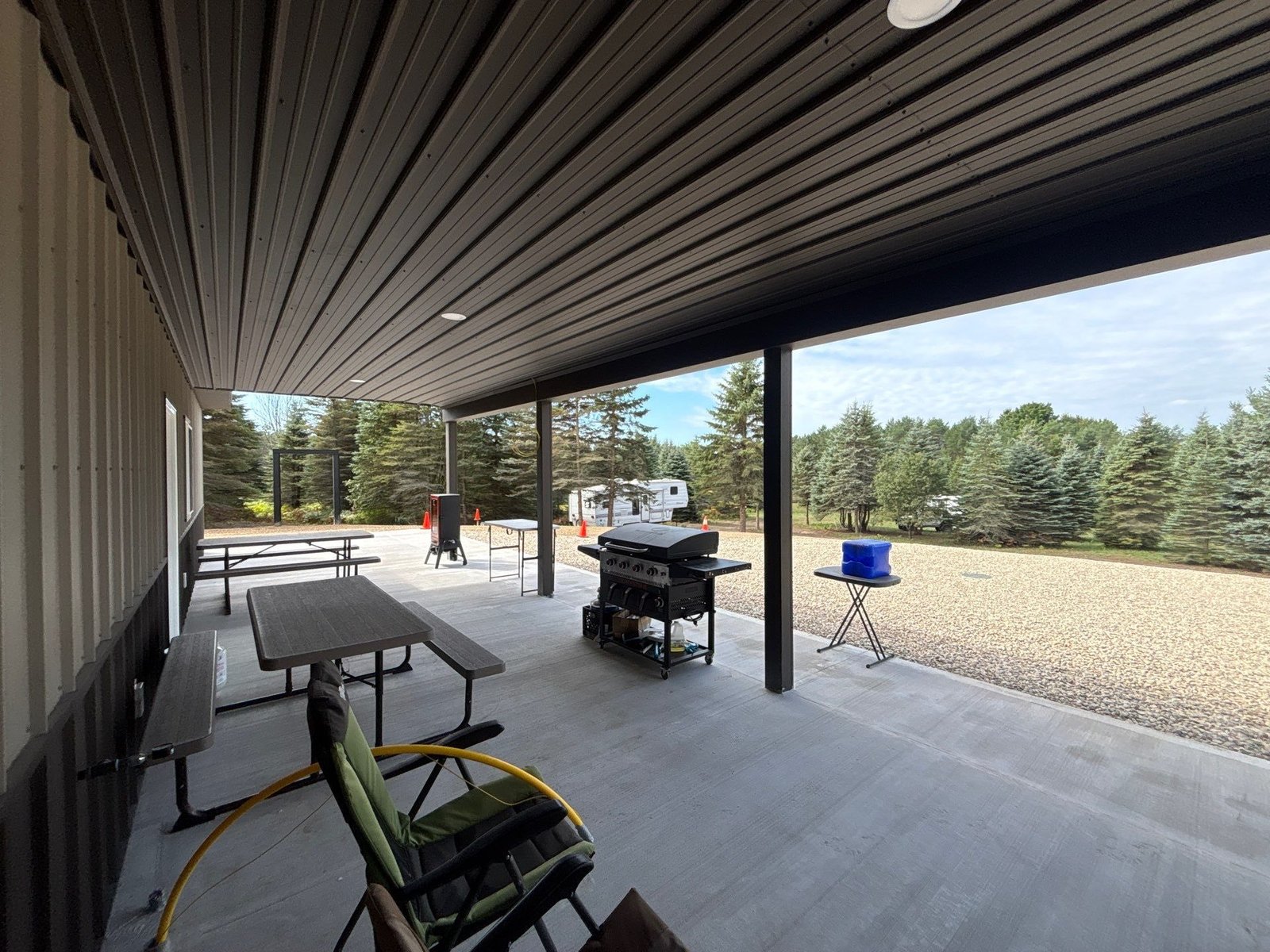
Why Concrete Flatwork Fails and How We Prevent It
“Bad concrete” is usually not the concrete. It’s the decisions around it. In Lagrange, moisture, freeze–thaw cycles, and soil movement expose shortcuts quickly. When a slab sinks, cracks randomly, or holds water, the root cause is often weak compaction, poor grading, missing joints, or edges that weren’t built for load.
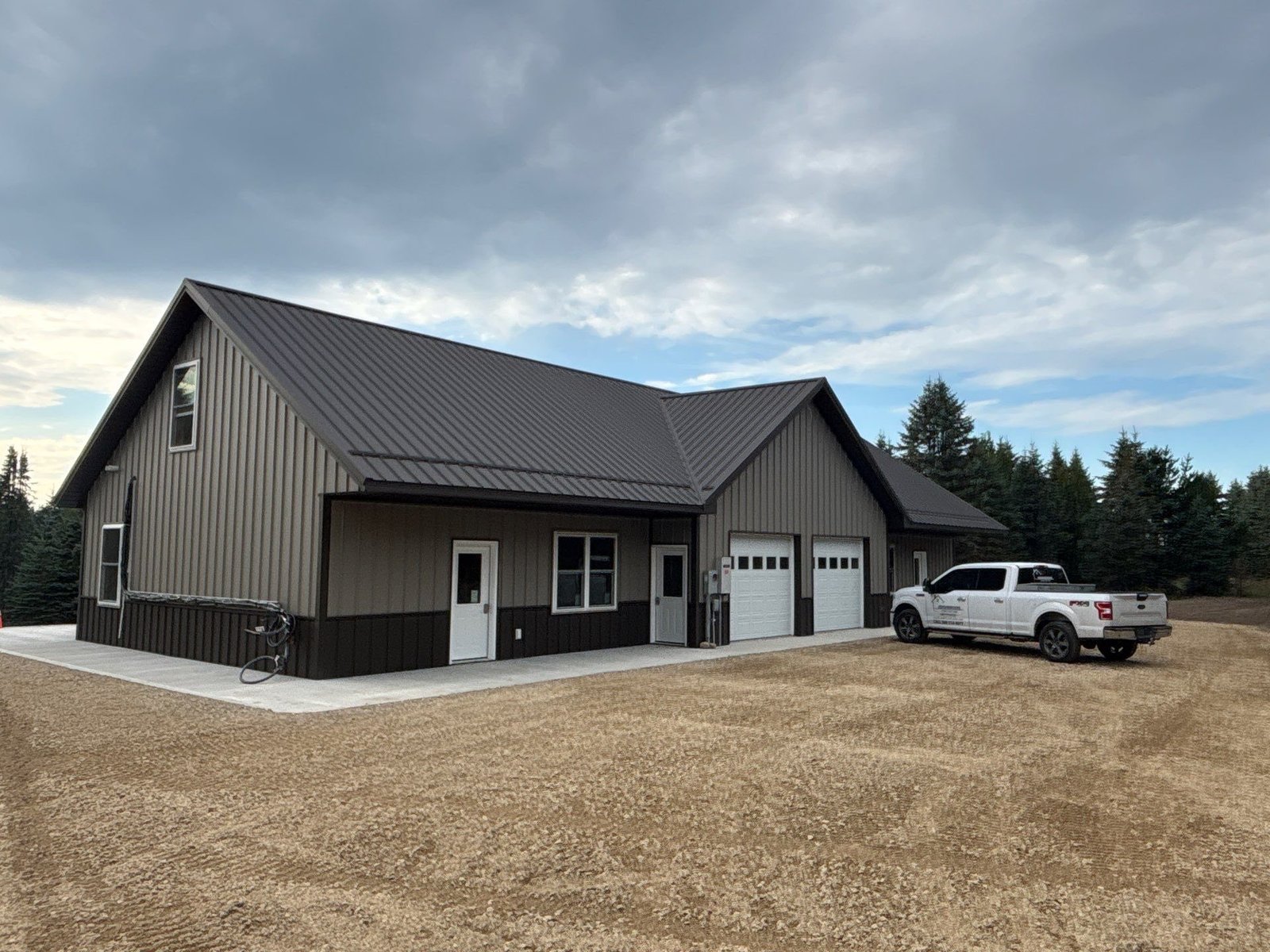
What we focus on (the long-term stuff)
- Where water flows today and where it will flow later
- Base thickness and compaction that match the application
- Edge strength and transitions that don’t crumble
- Joint layout that manages cracking instead of “hoping”
- Finish choice that matches traction and appearance
Concrete Flatwork Services in Lagrange, IN
Concrete flatwork covers the surfaces you drive on, walk on, and work on. We build flatwork that’s meant to be used: vehicles, foot traffic, equipment, weather, and time — without turning into a crack map or a puddle trap.
Concrete Driveways
New pours and replacements with planned slope, stable edges, and joint layout that makes sense.
Patios & Outdoor Slabs
Comfortable outdoor surfaces with traction-focused finishing and clean door/step transitions.
Sidewalks & Walkways
Safe, even paths designed for drainage and winter conditions common in Lagrange County.
Pole Barn & Shop Floors
Interior slabs built for load, doors, equipment, and long-term use in working spaces.
- Approach pads, entries, and utility slabs
- Removal and replacement of broken concrete
- Drainage-aware grading and transitions
- Finish options: broom, smooth, and light texture for traction
When to Pour Concrete in Lagrange and What Changes the Outcome
Timing matters because concrete is chemistry and weather is reality. The best pours happen when temperatures are stable and curing can be controlled. The worst pours happen when crews rush during extreme heat, ignore protection during cold snaps, or pour into sloppy conditions without a plan for moisture and base stability.
If you’re deciding when to schedule, the goal isn’t a magic month — it’s conditions that allow proper prep, consistent finishing, and protected cure time. That’s also why “fastest crew” isn’t always the best crew.
1Who This Is For
Homeowners, farms, and shops that want concrete built for real use — not a cosmetic pour that fails early.
2What We Build
Driveways, patios, sidewalks, and shop slabs with planned slope, clean edges, and reinforcement choices based on load.
3How We Build It
Prep, compaction, forms, reinforcement, joint layout, placement, finishing, and cure discipline — in that order.
4Why Our Method Works
Because we handle water, base stability, and joints like they’re the job — not an afterthought.
To see the main service overview, use Concrete Flatwork. Company details are on About.
Best Options and “Versus” Comparisons for Concrete Flatwork
People in Lagrange usually ask the same decision questions: what finish is best, what thickness is best, what’s better between concrete and asphalt, and what’s better between a smooth finish and a broom finish. The correct answer depends on use, traction needs, drainage, and how the surface will be maintained.
Best Finish for Driveways and Walkways
For most driveways and sidewalks, a broom or light-texture finish is usually best because it adds traction in wet conditions. Smooth can look great, but traction and maintenance matter more than a glossy first impression.
Best Concrete Thickness for Real Use
Thickness depends on load: foot traffic vs passenger vehicles vs heavier equipment. “One thickness fits all” is how edges crumble. We plan thickness, reinforcement, and joints based on how you use the space.
Concrete Versus Asphalt
Asphalt can be lower upfront, but it’s maintenance-heavy over time. Concrete can cost more upfront, but it typically holds shape longer, stays cleaner, and handles edges differently. The best choice depends on budget horizon and use.
Stamped/Decorative Versus Standard Flatwork
Decorative work can look sharp, but the base and cure discipline matter even more because defects show faster. If you want decorative concrete, the best plan is to protect the pour and keep traffic off during cure.
Where Concrete Flatwork Is Most Needed
Driveway replacements, settling walkways, garage approaches, entry pads, and shop floors are the common pain points. If water is pooling or the slab is shifting, the fix is usually drainage + base stability — not surface patching.
How to Choose the Right Contractor
Look for a crew that talks about base prep, drainage, joints, and cure protection — not just “we’ve been doing this a long time.” The best contractor explains the plan clearly and builds around ground conditions, not guesses.
Where We Serve Around Lagrange
We work in Lagrange and nearby areas where the same conditions show up repeatedly: soft spots, poor runoff, and older slabs that weren’t built for modern traffic. The goal is to correct the cause so the new concrete doesn’t inherit the old problems.
If you’re comparing nearby areas, here’s another concrete service page: Three Rivers concrete flatwork.
Get a Concrete Flatwork Estimate
If you’re planning a driveway, patio, sidewalk, or slab in Lagrange, we’ll walk the site, confirm grade and drainage, and provide a plan that matches how the surface will actually be used.
hershbergerconstruction@yahoo.com
Send photos, measurements, or your address for a quicker estimate.