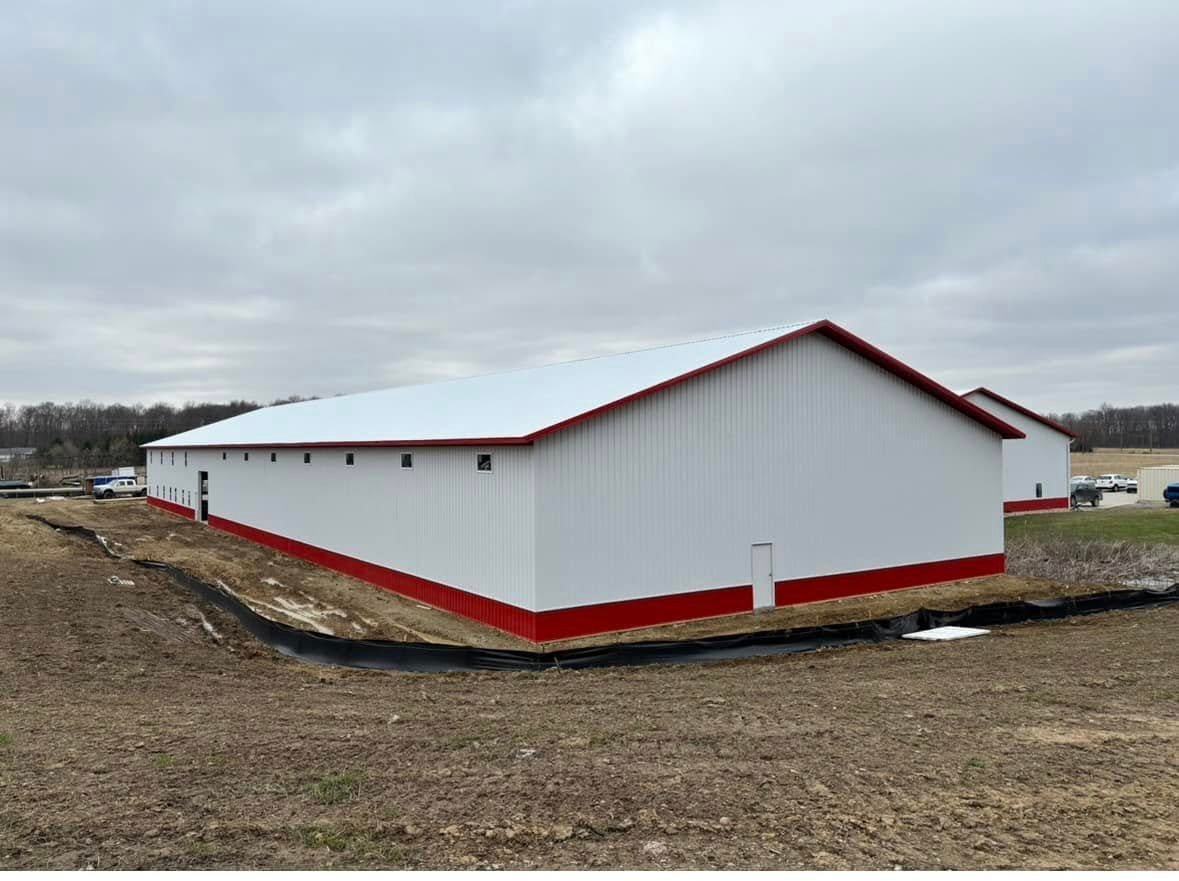
Large post-frame build • 72×246×18 with a 38×40×10 breezeway
Shipshewana, IN • Serving Northern Indiana & Southern Michigan
Post-frame buildings built square, straight, and ready for real work—custom pole buildings, agricultural barns, hobby shops, and barndominiums planned around use-case, access, drainage, and long-term performance in real Midwest weather.
Want proof? Browse the gallery — real builds photographed on-site. Prefer a local page? Jump to your city below.
Same service. Same build standards. These city pages focus on local conditions, typical property needs, and what it takes to build post-frame structures that hold up in each area.
Rural properties, farm access, and buildings designed to get used daily.
View South Bend →Post-frame planning for storage, shops, and long-term durability.
View LaGrange →Layouts built around workflow, access points, and clean finish work.
View Sturgis →Strong prep, water control, and structures built straight and tight.
View Coldwater →Function-first post-frame builds for farms, shops, and homeowners.
View Three Rivers →Post-frame buildings planned for access, drainage, and long-term performance.
View Portage →Post-frame construction (often called “pole barn” construction) is a structural system built around embedded or anchored posts that carry loads efficiently. When it’s planned and executed correctly, it delivers wide clear spans, clean layouts, predictable performance, and a building that stays true through Michigan and Indiana seasonal cycles.
We design around how the building will actually be used—equipment size, vehicle bays, interior clearances, door height and width, and structural requirements like snow load, wind exposure, and roof span. A pole barn isn’t “just a shed.” It’s a structure with real forces acting on it year-round.
Grade, drainage, access, and post locations get handled early so the build stays efficient and clean. Poor site prep shows up later as puddling, soft approaches, slab edge issues, or doors that don’t behave. The best builders treat dirt work like structure—because it is.
Square framing, consistent fastening, straight lines—details executed like they matter (because they do). Trusses, purlins, girts, bracing, and connection points have to work together as one system. This is where “built right” becomes obvious.
Trim, edges, cleanup, final review. We leave it looking intentional and “done.” A clean finish isn’t cosmetic fluff—proper flashing, closures, and detail work protect the structure from water and prevent the slow damage that cheap builds invite.
Post-frame construction wins when you want usable space, clean access, and a structure that performs without overcomplication. These are the reasons property owners in Indiana and Michigan choose pole barns for serious work.
Wide interiors without interior bearing walls means the building stays flexible. You can set up equipment storage, work bays, lifts, livestock pens, or future expansions without fighting the layout.
Post-frame can move quickly, but speed only matters when it’s controlled. Good sequencing—layout, posts, framing, roof, shell, doors, concrete—keeps the job clean and predictable.
You get a lot of building for the investment—especially for agricultural, storage, and shop use. The key is putting money where it matters: site prep, structure, and weatherproofing details.
The biggest mistake people make is thinking all pole barns are the same. They aren’t. Two buildings can look similar from the road and perform completely differently in five years. The difference is the invisible stuff: base prep, layout accuracy, bracing, fastener patterns, trim details, drainage decisions, and whether the builder treats the building like a system instead of a stack of materials.
Custom pole buildings should match the job: equipment storage, vehicle bays, workshop space, farm operations, horse barns, or mixed-use layouts. We plan around clearance, access, drainage, and the way you actually use the building—no generic template shortcuts.
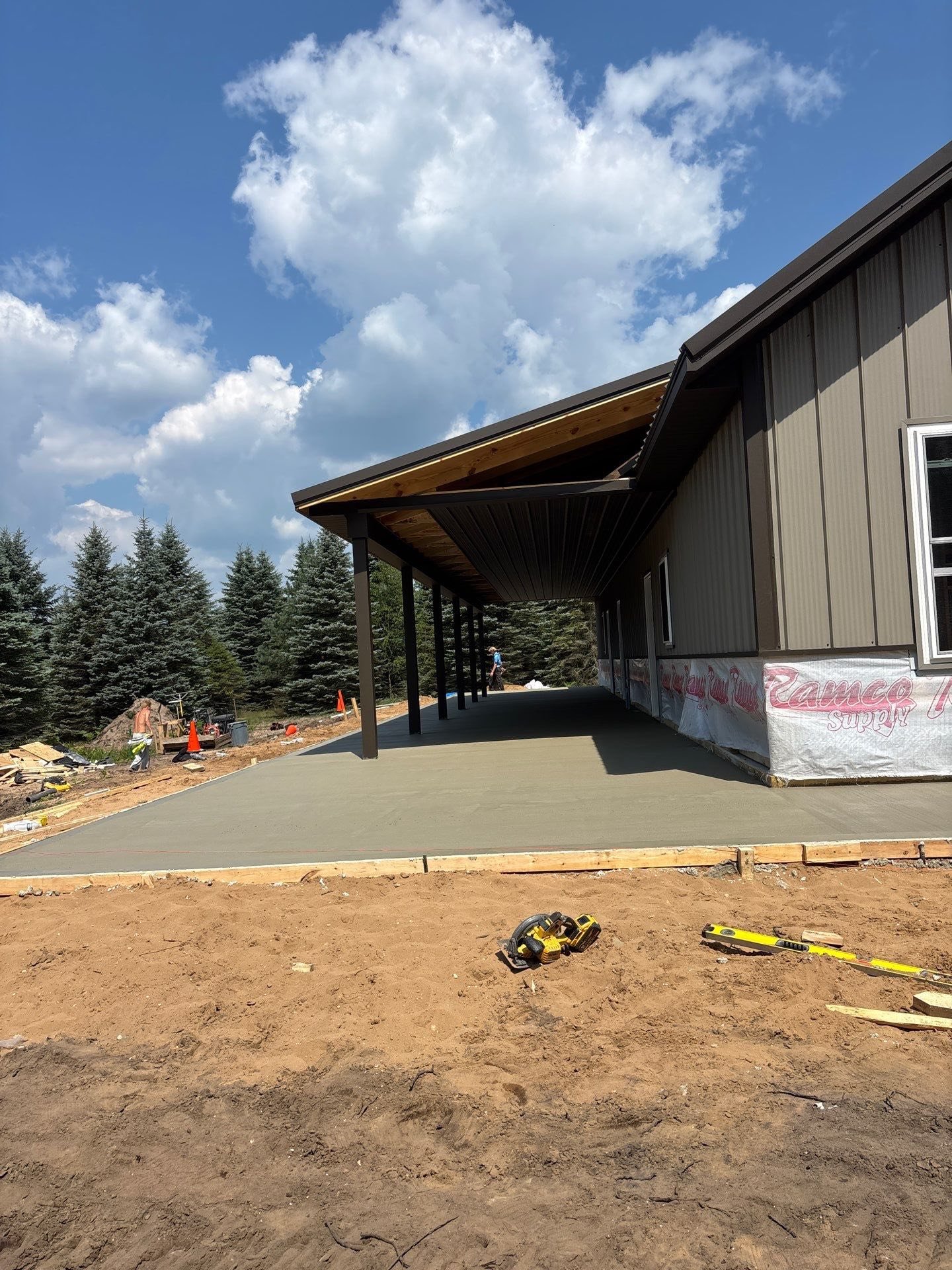
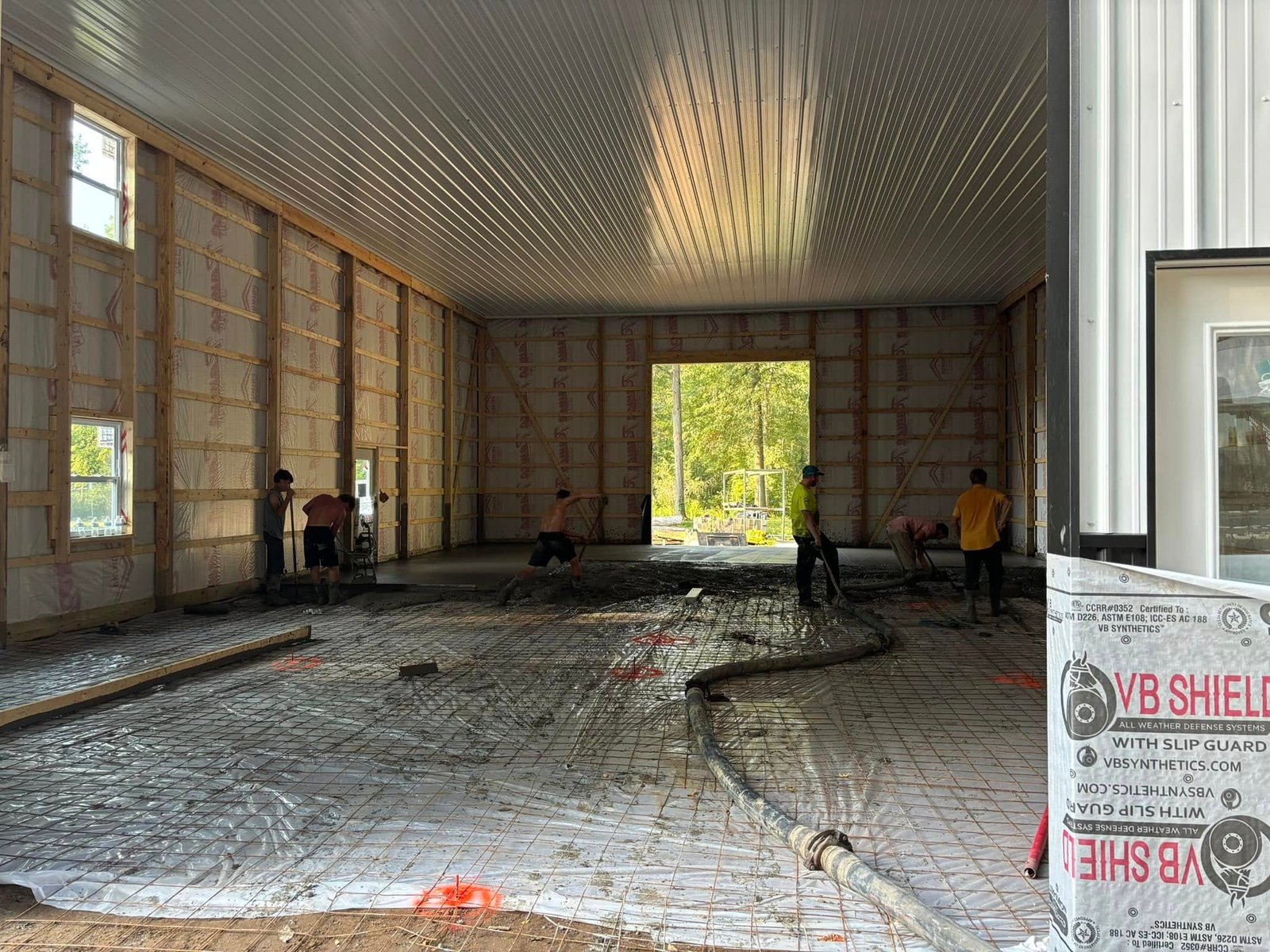
Slabs, approaches, and pads poured and finished clean—built to support equipment, traffic, and long-term use. A good slab starts with base prep, thickness planning, and joint placement that matches the use-case.
View Flatwork →Steel roofing installed correctly—flashing, fastening, layout, and trim that holds up in real weather. Done right, metal roofing reduces maintenance and protects the whole envelope.
View Metal Roofing →Real photos from real jobs. If it’s not built right, it shows—ours holds up. Browse completed builds to see finish quality and details.
View Gallery →Prefer specifics? Share rough dimensions + location through the contact page. We’ll help you translate “what you want to do in the building” into a layout that works.
Built around purpose. Designed for function. Finished clean. These are common build types across Indiana and Michigan.
When property owners get burned on a pole barn, it usually isn’t because the building fell down on day one. It’s because the small decisions were wrong—drainage ignored, posts set poorly, framing rushed, fasteners inconsistent, doors installed out of square, trim details skipped, or the slab planned like an afterthought. This section is the difference.
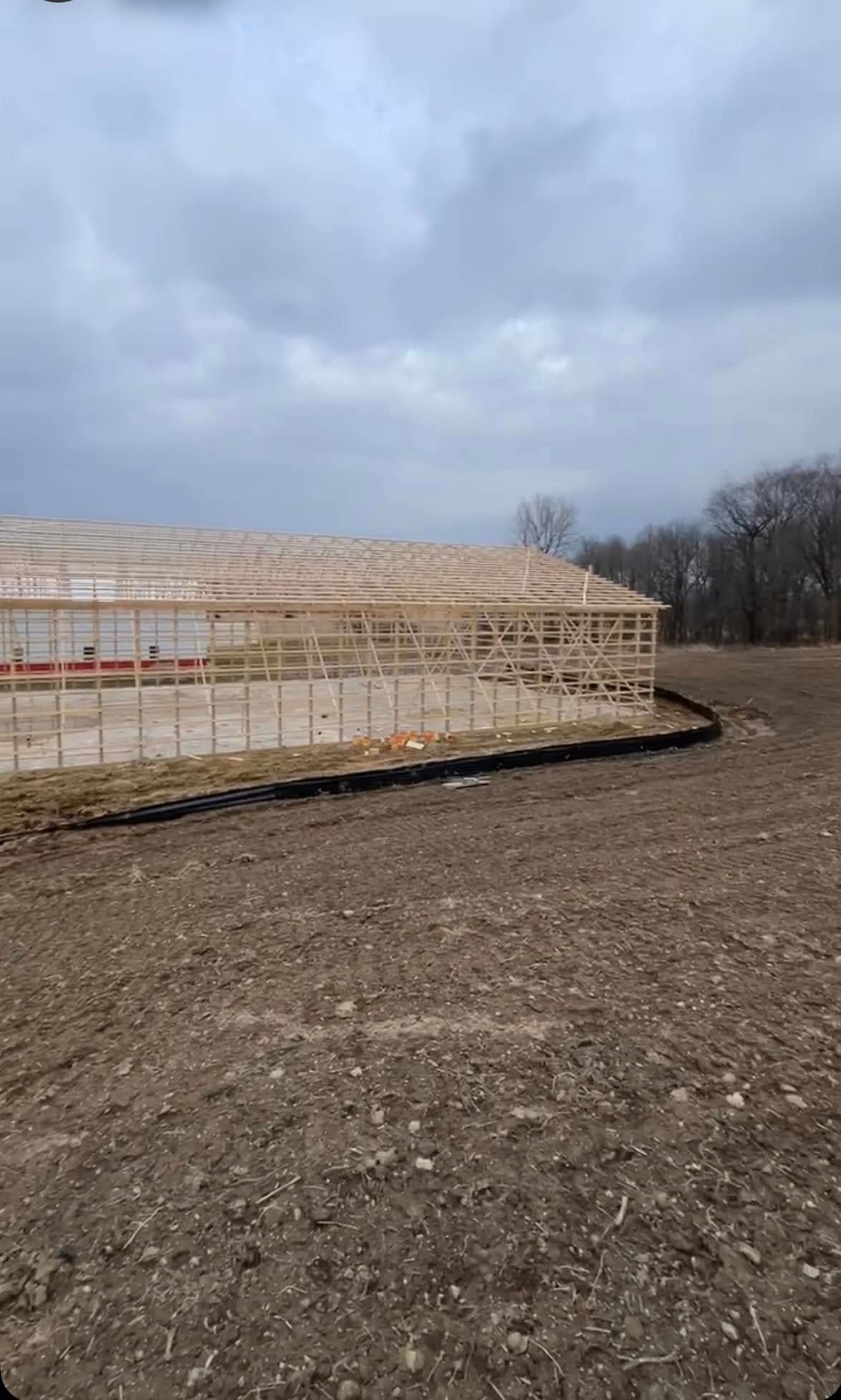
Posts carry load, but placement and bracing control movement. Good post-frame work starts with accurate layout, proper hole prep, correct alignment, and bracing that keeps the frame locked while the rest of the building goes in. Straight posts and square corners aren’t “nice to have”—they determine whether the shell installs clean and stays true.
The frame is a system. Girts and purlins aren’t just lumber lines—they’re structural members that tie everything together. Consistent fastening patterns, correct spacing, and clean connections reduce flex and prevent the wavy, noisy, “cheap” feel that shows up in bad builds.
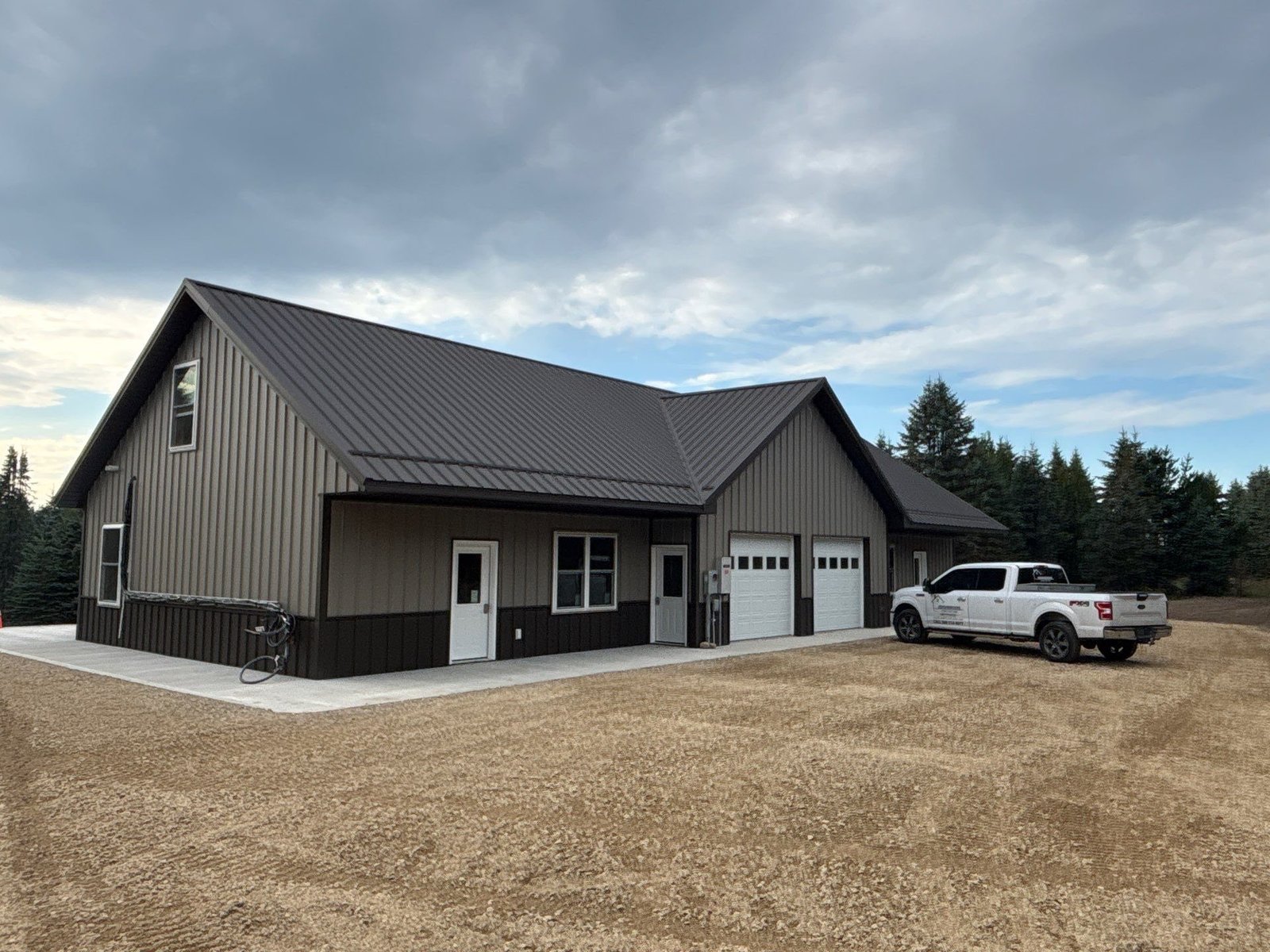
Trusses and roof lines are where snow load and wind exposure get real. A clean roof line isn’t just aesthetic—it’s a sign the structure was laid out correctly and assembled with discipline. When loads transfer cleanly from roof to frame to ground, the building stays quiet, stable, and long-lasting.
Water is the enemy. Proper trim work, closures, flashing, and transitions keep water out of the wrong places. Skipping details looks fine on install day—and turns into rot, staining, and maintenance later. We build the envelope so it behaves like a system, not a patchwork.
Your building is only useful if openings work. Sliding doors, overheads, and entry doors have to be framed and installed square. Door height and width should match equipment, not guesses. We plan clearances up front so you don’t “discover” problems after it’s built.
Slabs aren’t an add-on. They’re part of the project plan—base depth, vapor management, thickness requirements, reinforcement choices, and joint layout that match how the building will be used. If you want the building to feel “finished,” concrete has to be intentional.
The result is simple: a pole barn that looks clean, works efficiently, and doesn’t become a maintenance project. That’s the standard. That’s the difference between “it went up fast” and “it was built right.”
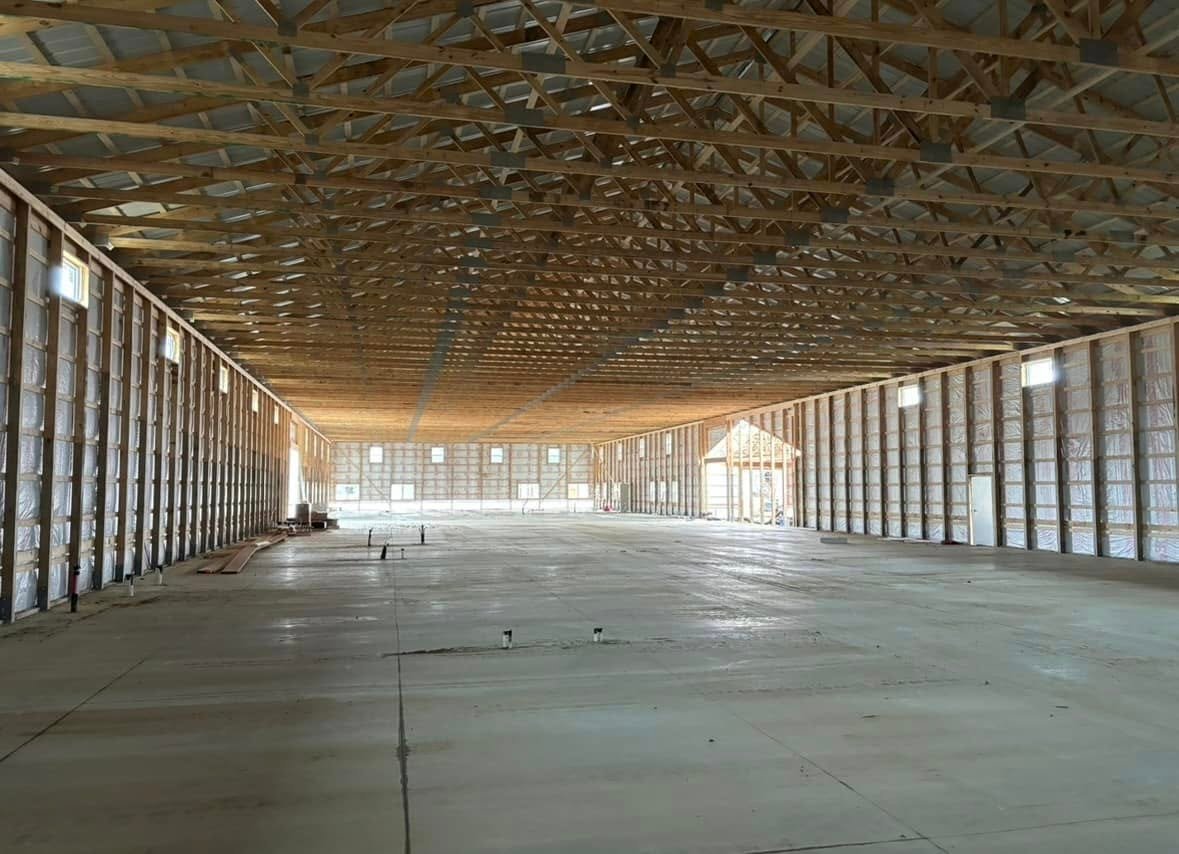
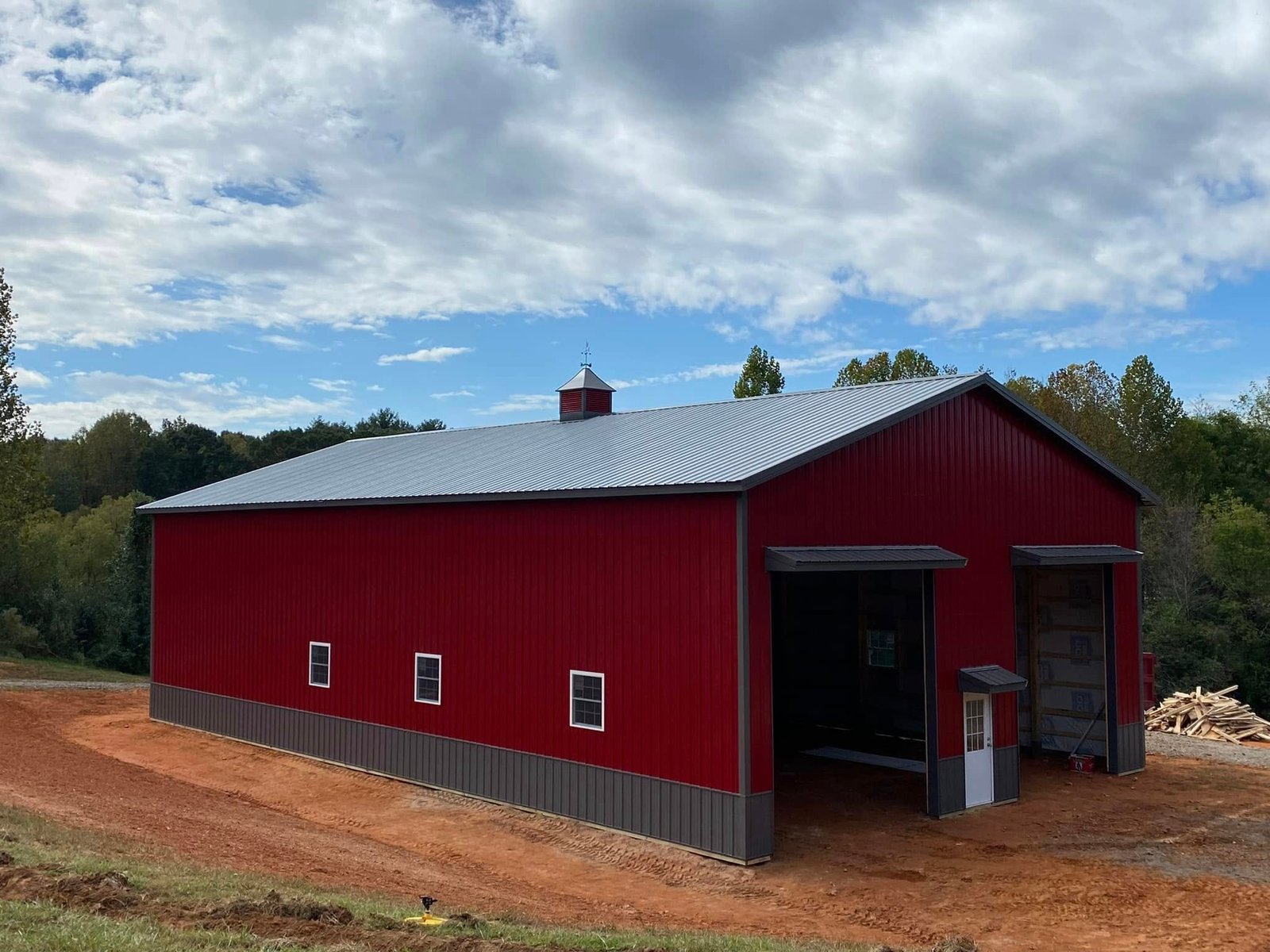
Large-scale post-frame project completed by Hershberger Construction: 72×246×18 pole barn with a connected 38×40×10 breezeway. Designed for serious operations needing wide interior spans, strong access points, and clean alignment throughout.
— Built by Hershberger Construction
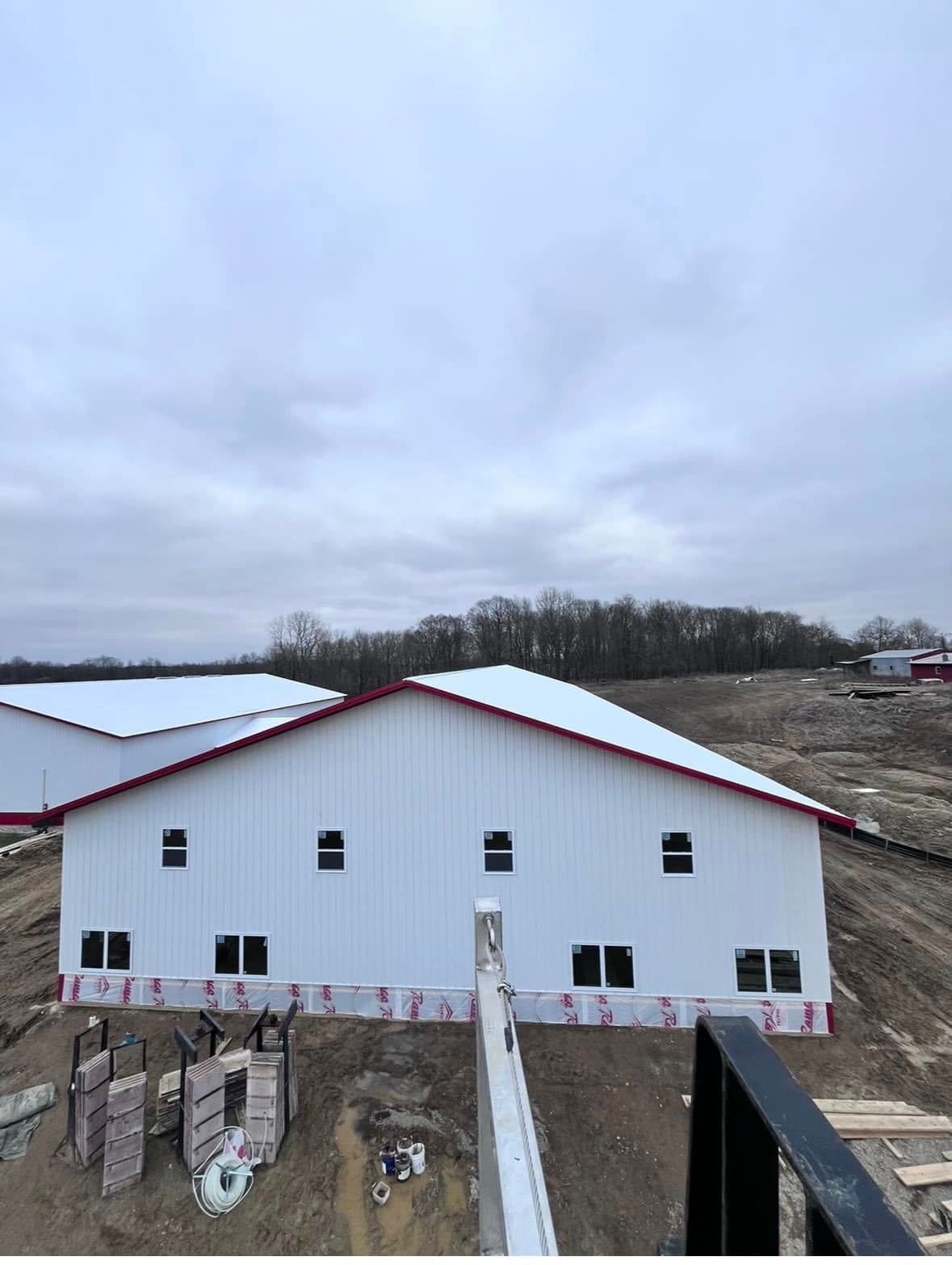
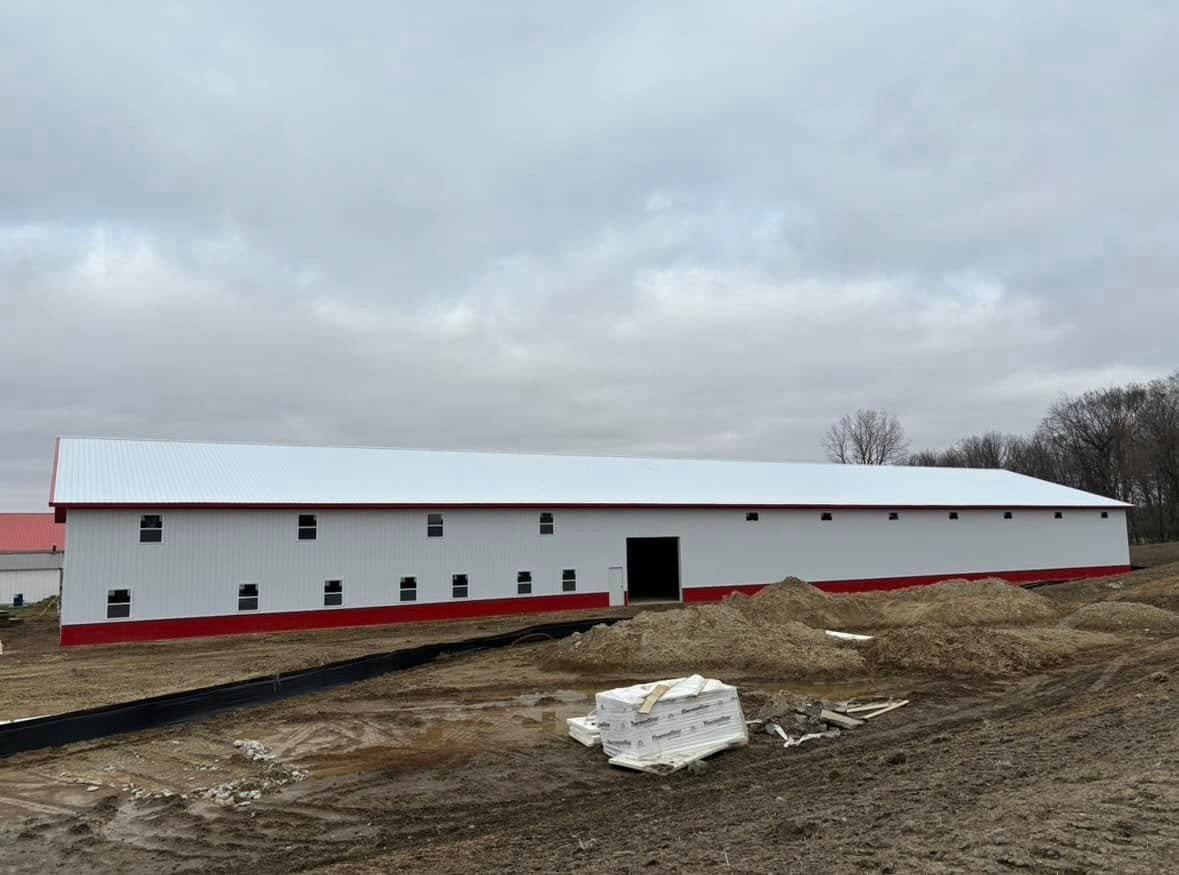
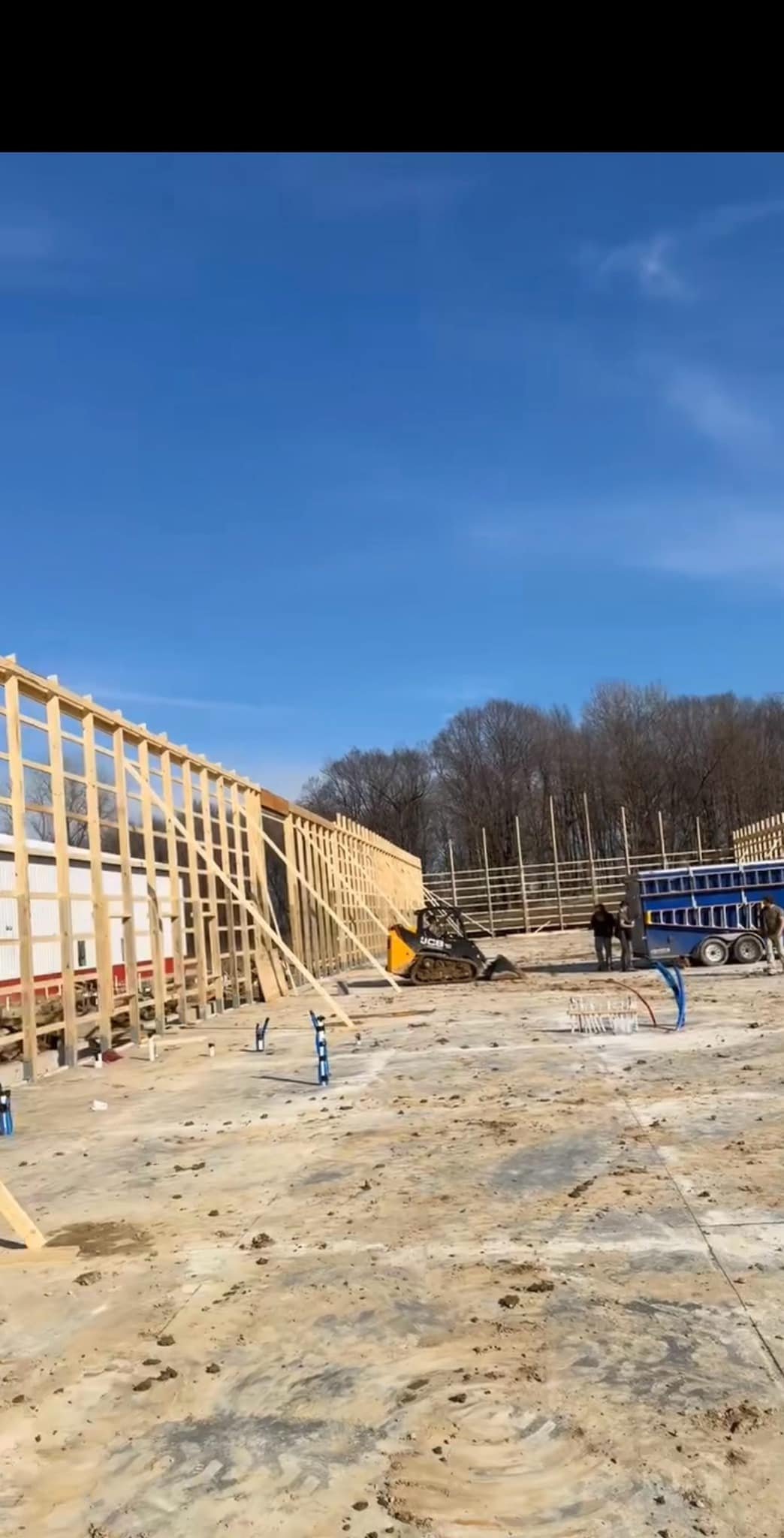
Real post-frame builds photographed on-site. Use the filter to focus on barns, slabs, or remodel work.
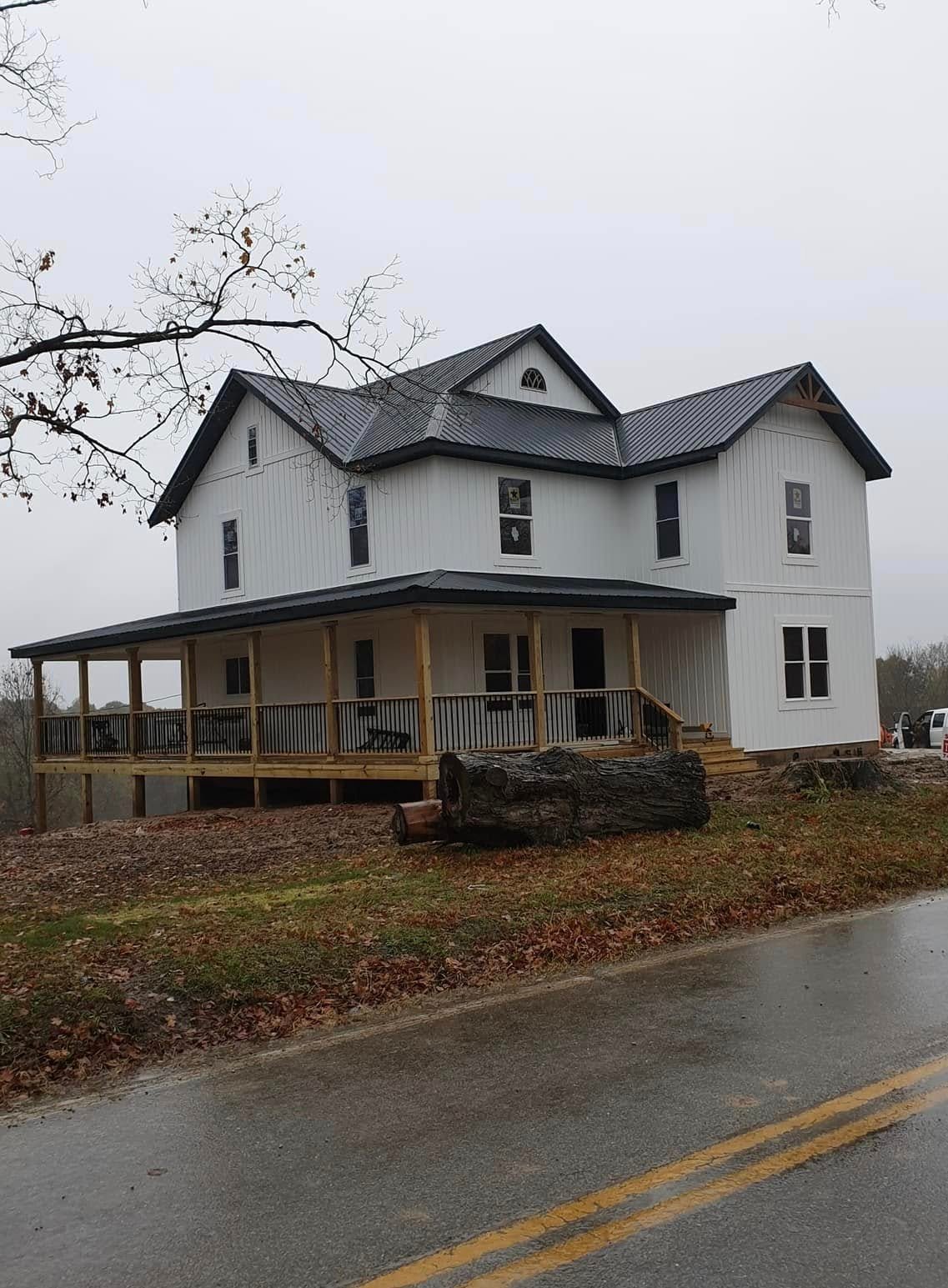
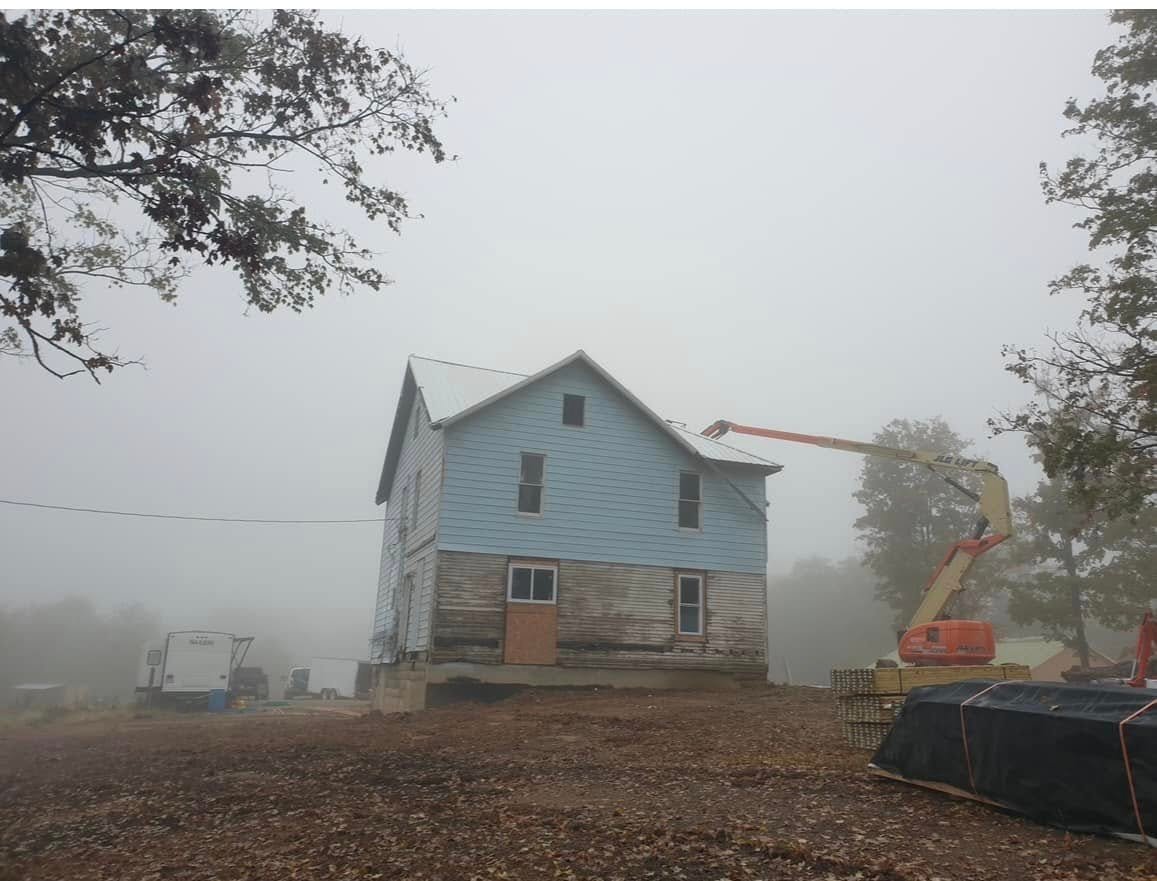
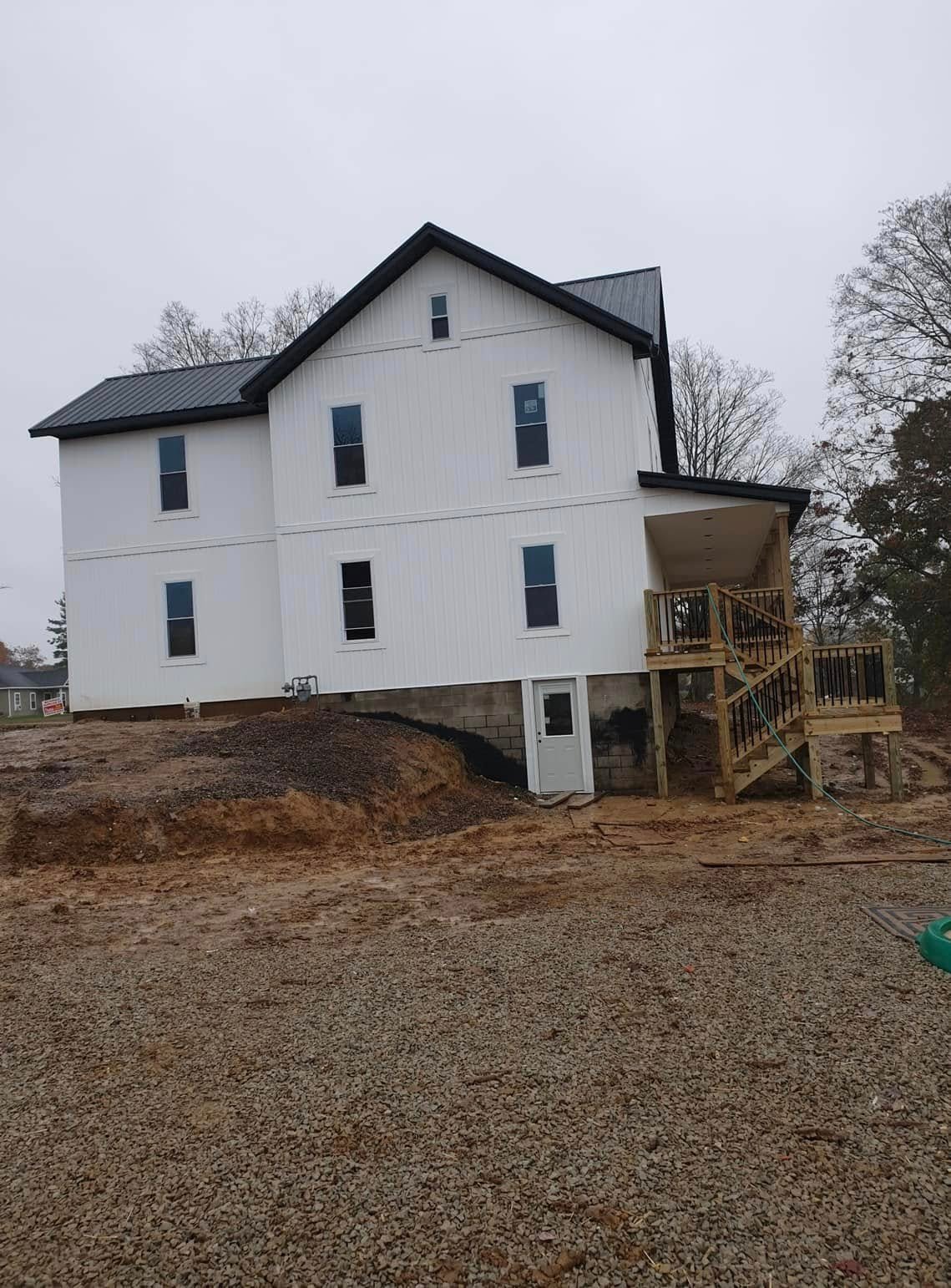
Supporting content under Pole Barn Builders—built to help you plan smarter, avoid costly shortcuts, and understand what “built right” actually looks like.
How to hire for workmanship, follow-through, and long-term durability.
Read Article →Structural basics, clear spans, and why post-frame performs so well.
Read Guide →What to verify early so the project stays smooth and predictable.
Read Article →Scheduling, weather realities, and how to plan lead times correctly.
Read Article →Where post-frame saves time and cost without sacrificing performance.
Read Breakdown →A practical step-by-step checklist to get grade and base prep right.
Read Checklist →Popular styles and layout ideas for regional properties.
View Styles →Compare cost, structure, and performance for your budget.
Compare →